

Through lived experience, IEM Experts Chris Smith and Diana Rothe-Smith sit down with fellow disaster recovery and resilience practitioners to discuss how processes, tools, and policies emerge and evolve as disasters strike – addressing and adapting critical needs with every recovery. The DisasterSmiths delves into historical, first-hand accounts to shed light on the roots of disaster recovery and explore how innovative strategies could be employed to enhance resilience for the future.
IEM Unscripted presents DisasterSmiths, a dynamic podcast that dives into the heart of disaster resilience. Join us as we explore the practical solutions, innovative programs, and dedicated service delivery crafted to aid disaster survivors and fortify communities. Our mission is clear – to make our communities more resilient in the face of adversity.
Tune in for an engaging journey where we unravel the stories behind the scenes, showcasing the resilience-building efforts that often go unseen. The DisasterSmiths podcast is your go-to source for insightful conversations on creating a stronger, more prepared world.
Our goal at DisasterSmiths is to:
- understand why we do things the way we do before, during, and after a disaster;
- the purpose we intend to serve; and
- think about how the effects of now will shape communities of the future.
New: Season 3, Episode 10
Tune in monthly for a new episode of IEM’s DisasterSmiths at one of the podcast directories below.


The award letter arrives. The headlines hit. The community exhales. Your agency has been allocated CDBG-DR funds. Now what?
In this boots-on-the-ground episode, we sit down with Chuck Lane, Director of Disaster Recovery Resources for Pasco County, Florida, recently awarded its CDBG-DR allocation, alongside IEM leader and subject matter expert Tim Lagudi. Together, they unpack what happens after the celebration fades: navigating public outreach, untangling the regulatory maze, managing expectations, and building compliant programs that serve real people in real time. They also share how strategic planning, data analysis, partnerships, and capacity building before the award became the blueprint for success after the award.
Because the myth is that funding solves the problem. The truth? Funding exposes your readiness. If your community has received—or hopes to receive—CDBG-DR dollars, this conversation is your roadmap for what comes next. Less theory. More reality. Fewer assumptions. More strategy. The money is just the beginning.
Featured Guests
Director of Citizen Services, IEM
Chuck Lane
Director of Disaster Recovery Resources, Pasco County, FL
Learn more about our guests
Tim Lagudi is the Director of Citizen Services at IEM, where he leads complex program and grants management for disaster recovery and housing recovery initiatives. He has more than a decade of experience in managing the full lifecycle of federally funded programs, including overseeing more than $2 billion in grant funding and assisting over 70,000 applicants across federal programs.
Charles “Chuck” Lane serves as the Director of the Office of Disaster Recovery Resources for Pasco County, Florida. Prior to joining Pasco County, Chuck spent more than 10 years as Assistant Director of the Economic Development & Housing Department for the City of Clearwater, Florida, where he administered funding for affordable housing and community development programs, including CDBG, HOME, SHIP, and various COVID-19 emergency grants.
When a severe storm tears through a mountain community in Tennessee, the real work begins the moment the rain stops. In this episode of DisasterSmiths, we sit down with a mayor who experienced recovery firsthand from the coordination, the critical decisions, and what it takes to move a community from disaster declaration to meaningful progress through FEMA’s Public Assistance program.
He’s joined by IEM subject matter experts and former FEMA officials who examine what it takes to translate federal guidance into practical results at the local level. Our guests break down how disaster funding flows, why documentation and communication are essential at every stage, and what local leaders can do to position their communities for the strongest possible recovery. This is a candid, informed conversation about what Public Assistance looks like when it’s working and what it takes to get there.
Featured Guests
Joe Grandy
Mayor of Washington County, TN
Molly Evancho
Manager, State and Local Disaster Recovery, IEM
Howard Stronach
Senior Advisor for Mitigation and Resilience, IEM
Learn more about our guests
Joe Grandy is Mayor of Washington County, Tennessee, first elected in 2018 and re-elected in 2022. He previously served as County Commissioner from 2010 to 2018. Prior to public service, Joe spent 30 years with Ferguson Enterprises, growing regional operations across East Tennessee and leading teams of up to 80 associates before retiring in 2018.
Ms. Evancho brings more than 25 years of experience supporting FEMA’s Public Assistance program, specializing in policy development, analysis, and implementation. She has deployed to numerous disaster recovery operations and served as a Policy Advisor to FEMA Region 2 and Headquarters leadership. She has led teams managing appeals, audits, and arbitration responses, helping guide strategic decision-making and program delivery nationwide.
Howard Stronach is a nationally recognized disaster recovery and resilience leader with more than 28 years of experience across FEMA’s Hazard Mitigation Assistance and Public Assistance programs. He previously served as Chief of Regulations and Policy for Public Assistance and as Chief of the Disaster Implementation Branch. Howard has overseen more than $28 billion in mitigation funding and helped guide over $100 billion in Public Assistance funding decisions, partnering with state, local, and tribal governments to strengthen resilient recovery outcomes.
You sent the alert. You issued the order. You did everything right. So why didn’t they leave?
In this episode of DisasterSmiths™, a local emergency manager and a resiliency officer get honest about one of the hardest problems in emergency management: the gap between the message that goes out and the decision that gets made.
They break down why fear-based messaging often backfires, how trust built on blue-sky days determines who listens when it matters most, and why the most effective evacuation order sometimes comes from the most unexpected voice. It’s a conversation about communication, community, and the deeply human reasons people make the choices they do under pressure.
Because closing that gap doesn’t start in the EOC. It starts long before the storm.
Featured Guests
Ana-Marie Jones
Chief Resiliency Officer of InterPro Inc.
Anna McRay, CEM, CSSP, EFO
Deputy Coordinator of the Portsmouth Office of Emergency Management
Learn more about our guests
Before joining Interpro, Ana-Marie spent over sixteen years as the executive director of CARD – Collaborating Agencies Responding to Disasters – where she championed the disaster readiness and resilience needs of nonprofits, faith agencies, service providers, and their diverse constituencies. For over 25 years, Ana-Marie Jones has been a subject matter expert in culturally appropriate approaches to emergency preparedness, disaster response, and public safety efforts. Inducted into the International Women in Emergency Management and Homeland Security Hall of Fame in 2012 for her innovations in emergency management, Ana-Marie has also received several awards, including three cable Telly Awards.
Before her current role, Anna built a career grounded in practical field experience and a deep commitment to helping communities prepare for, respond to, and recover from disasters. With more than two decades of emergency management experience working at both the state and local government levels across Virginia and North Carolina, Anna is especially passionate about equipping people with the knowledge and confidence to make informed decisions that protect themselves and their families. A strong academic foundation shapes her approach, including a Master of Disaster Sciences from the University of Richmond and completion of both the National Emergency Management Advanced Academy and the National Emergency Management Executive Academy.
When disaster strikes, one federal program stands between a community and collapse — yet most leaders don’t fully understand it until they desperately need it. FEMA’s Public Assistance program moves billions of dollars into shattered communities, but its rules, tradeoffs, and limitations can make or break a recovery. In this episode of DisasterSmiths®, two of the most experienced voices in the field pull back the curtain on how the program works and why the gap between policy and reality matters more than most people realize.
This is a rare, unfiltered conversation that goes far beyond the basics. From the impossible tension between speed and accountability, to the extraordinary challenge of applying an infrastructure-built program to a global pandemic, our guests don’t shy away from the hard questions. They distinguish the fair criticisms of FEMA Public Assistance from the myths and offer the kind of high-level strategic perspective that state and local leaders rarely get to hear. If your jurisdiction has ever struggled to navigate federal recovery dollars, this episode will inform how you approach the process.
Featured Guests
Tod Wells
Former Deputy Director, Public Assistance Division, FEMA
Howard Stronach
Senior Advisor, Recovery, IEM
Learn more about our guests
Tod Wells brings over three decades of federal service to the discussion, specializing in disaster recovery. His career began on Capitol Hill, where he served for eight years as a legislative assistant for a Member of Congress from Texas. Transitioning to the Federal Emergency Management Agency (FEMA), Mr. Wells dedicated twenty-six years to the agency’s mission, including a sixteen-year tenure as a Deputy Director of the Public Assistance Division. His deep institutional knowledge of the PA program and his experience navigating the complexities of federal policy make him a leading authority on the mechanics of community recovery.
Howard Stronach is a nationally recognized disaster recovery and resilience leader with more than 28 years of experience across FEMA’s Hazard Mitigation Assistance and Public Assistance programs. He previously served as Chief of Regulations and Policy for Public Assistance and as Chief of the Disaster Implementation Branch. Howard has overseen more than $28 billion in mitigation funding and helped guide over $100 billion in Public Assistance funding decisions, partnering with state, local, and tribal governments to strengthen resilient recovery outcomes.
This episode of DisasterSmiths spotlights how resilience is built long before disaster strikes. Featuring Elizabeth Sanchey, Emergency Environmental Management Director for the Yakama Nation, and Yolanda Jackson, IEM’s Manager of Mitigation and Resilience Program, the conversation explores how FEMA’s BRIC program supported proactive wildfire mitigation efforts that helped protect homes, infrastructure, and culturally significant resources during the Slide Ranch Fire.
More than a discussion about grants or policy, this episode offers a real-world look at resilience on the ground, where mitigation planning, cultural priorities, and community preparedness come together. From defensible space and evacuation routes to utility protection and long-term recovery, Elizabeth and Yolanda share lessons that show how thoughtful, community-driven investments can reduce risk and strengthen resilience for the future.
Featured Guests
Elizabeth Sanchey
Emergency and Environmental Management Director for the Yakama Nation
Yolanda Jackson
Manager, Resilience and Mitigation, IEM
Learn more about our guests
Ms. Sanchey leads programs that integrate emergency management, environmental protection, and community resilience with the Yakama Nation. With more than two decades of experience, she has worked across tribal policy, environmental planning, and incident response, including serving as Incident Commander for the Yakama Nation’s COVID‑19 Emergency Response Team. She oversees hazard mitigation planning, wildfire preparedness, and hazardous materials response, while also managing grants, coordinating multi-agency efforts, and advising Tribal Council on policy, treaty rights, and resource protection. A member of the Yakama Nation, Elizabeth brings a deep understanding of tribal lands and lifeways, coupled with a strong commitment to protecting natural and cultural resources. As she puts it, “This work is about protecting our people, our lands, and our future by making sure our communities are prepared, informed, and resilient.”
Yolanda J. Jackson is an accomplished emergency management executive with 15+ years of federal service, including leadership as a FEMA Federal Coordinating Officer. She has overseen large‑scale response and recovery operations across more than 20 federal disasters, stewarded $250M in program funds, and pioneered approaches that expand equitable access to disaster assistance.
As Manager of Mitigation & Resilience at IEM, Yolanda leads teams that help communities design practical, people‑first strategies for reducing risk and strengthening long‑term resilience. A two‑time DHS Silver Meritorious Service Award honoree, she is widely respected for her clarity, authenticity, and ability to inspire collaboration across all levels of government.
When disaster strikes, recovery is not just about roads, bridges, and programs. It is about people. In this episode of DisasterSmiths, Chris and Diana explore the evolving role of disaster case management and why local relationships, community-based organizations, social services, nonprofits, faith-based partners, and long-term recovery groups are essential to helping survivors move from crisis to stability.
With humor, candor, and decades of recovery experience, they unpack how communities can prepare before the next disaster, build coalitions that are ready to act, and meet survivors where they are before unmet needs become long-term setbacks. From the power of local trust to the need for more recovery exercises, this conversation makes the case for disaster case management as one of recovery’s most human and impactful tools.
Featured Guests
Director of Recovery, IEM
Program Manager, Disaster Case Management, IEM
Learn more about our guests
Chris Smith, the Director of Recovery at IEM, is pivotal in steering the company’s strategic and operational disaster recovery initiatives. His extensive experience in emergency management across various levels of government empowers him to lead with a unique blend of strategic insight and practical expertise. Chris’ career spans over 25 years at the local, state, and federal levels, and his significant tenure includes serving as a critical member of the Federal Emergency Management Agency’s senior leadership, where he headed the Office of Response and Recovery’s Individual Assistance Division. There, he led a large team through 175 federally declared disasters, efficiently managing the distribution of over $52 billion in federal assistance to those affected by disasters.
Diana Rothe-Smith serves as IEM’s Program Manager for Disaster Case Management. In this capacity, she applies a holistic survivor-focused approach to community recovery. Most of Diana’s work has been in coalition development, voluntary agency coordination, and community days of service. She has established long-term recovery groups, preparedness councils, unmet needs committees, and community resiliency groups. Diana served as FEMA’s Acting Section Chief for voluntary agency coordination, was a program manager with the International Association of Fire Chiefs, and was the executive director for the National Voluntary Organizations Active in Disaster (National VOAD).
In this episode of DisasterSmiths, we explore one of the most significant changes to disaster recovery policy in decades. The newly enacted 21st Century ROAD to Housing Act establishes a more predictable framework for Community Development Block Grant–Disaster Recovery (CDBG-DR) funding, with the goal of accelerating recovery, reducing administrative burdens, and helping communities rebuild faster after major disasters. Joining our hosts is Marion McFadden, IEM Vice President of Disaster Recovery and former HUD Principal Deputy Assistant Secretary for Community Planning and Development, to discuss what this landmark legislation means for state, local, tribal, and territorial governments.
Together, we unpack the authorization of CDBG-DR, new expectations for planning and accountability, and the steps communities can take today to be better prepared for tomorrow’s disasters. Whether you’re responsible for housing, recovery, resilience, or grants management, this conversation offers critical insights into how the new law could reshape long-term disaster recovery nationwide.
Featured Guests
Vice President of Disaster Recovery, IEM
Learn more about our guests
Marion McFadden is the Vice President of Disaster Recovery at IEM and a nationally recognized leader in affordable housing, disaster recovery, and community resilience. With over 25 years of experience managing federal grants and multi-billion-dollar budgets, she has played a pivotal role in shaping national policy and programs. Prior to joining IEM, Marion served as Principal Deputy Assistant Secretary at HUD’s Office of Community Planning and Development, Senior Vice President at Enterprise Community Partners, and Deputy Assistant Secretary at HUD. Throughout her career, she has led major federal initiatives addressing homelessness, expanding affordable housing, and accelerating disaster recovery for impacted communities.
Silence is never neutral. When official information lags during an emergency, something rushes in to fill the void, and it is rarely anything an agency would have chosen.
In this DisasterSmiths episode, our guests, Nancy Leuenhagen, Communications Director for Washoe County, Nevada, and Stephanie Tennyson, Chief Communications Director at IEM, make the case that the most consequential communications work happens on blue sky days. Blue sky time is construction time, when relationships get built, and agencies earn the right to be believed. Together with our hosts, they explore how agencies build credibility before an emergency ever occurs, why consistent communication matters when there is no immediate threat, and how to make preparedness resonate with people who assume disaster will never reach them. They also examine common pitfalls in preparedness messaging, the challenge of competing voices, and practical ways to adapt when misinformation spreads faster than facts.
Whether you lead a communications shop or wear every hat in a one-person office, you will come away with ideas for building credibility, countering misinformation, and reaching the people who need your message most.
Featured Guests
Nancy Leuenhagen
Communications Director, Washoe County, NV
Chief Communications Director, IEM
Learn more about our guests
Nancy Leuenhagen serves as the Communications Director for Washoe County, leveraging over 30 years of expertise in media and public communication. A former journalist, she uses her storytelling skills to enhance public trust in county government while overseeing communications efforts, including media relations and social media management. Prior to her current role, Nancy was the Communications Manager for the Washoe County School District. She has received multiple awards for her work, including a Gold Telly Award for a documentary on homelessness, as well as recognition from the PRSA Sierra Nevada Chapter and the YWCA. She holds a Bachelor of Science in Broadcast Journalism from Southern Illinois University, Carbondale.
Stephanie Tennyson, a seasoned professional with over 25 years of experience in communications, intergovernmental affairs, engagement and outreach, marketing, and emergency management, serves as the Chief Communications Director at IEM. In her role, Stephanie provides strategic direction and oversight for the company’s external and internal communications and marketing. Prior to her role at IEM, Stephanie led government affairs at a Silicon Valley AI start-up, enhancing its influence in various government sectors, and held significant positions at FEMA and the Department of Homeland Security, managing public affairs and stakeholder engagement. A graduate of Washington College with further studies at Virginia Tech and the Naval Postgraduate School, Stephanie is a key figure in shaping effective communication strategies and stakeholder engagement in emergency management and homeland security.
A lot can change in a year, especially when it comes to artificial intelligence.
DisasterSmiths hosts Chris Smith and Diana Rothe-Smith welcome back Dr. Ryan Rockabrand and Dr. Sarah Miller to revisit one of the fastest-evolving topic in emergency management. Together, they explore how AI is already supporting disaster operations, where organizations are seeing real value, and why conversations about governance, security, and decision-making are becoming increasingly important.
Whether you’re excited about AI, skeptical of its potential, or still figuring out where it fits, this episode offers a practical look at AI, what emergency managers need to know now, and what may be coming next. The technology is advancing fast. Is emergency management keeping pace?
Featured Guests
Dr. Ryan Rockabrand
Emergency Manager and Business Continuity Coordinator, King Abdullah University of Science and Technology (KAUST)
Dr. Sarah Miller
Associate Professor and Chair of Emergency Management, Pierce College
Learn more about our guests
Ryan Rockabrand is a Certified Emergency Manager (CEM) and currently serves as Emergency Manager and Business Continuity Coordinator with King Abdullah University of Science and Technology (KAUST). Ryan is also an Assistant Professor and Adjunct Professor at Pierce College. Prior to joining KAUST, he served as a senior advisor at the National Nuclear Security Administration, a Federal Disaster Recovery Coordinator, and as the Deputy Director of the Private Sector Division at the Federal Emergency Management Agency, in addition to various emergency management roles at the city and county levels of government. Ryan holds a PhD in Artificial Intelligence from Capitol Technology University, focusing on the intersection of Artificial Intelligence and Small Modular Reactors in emergency management.
Sarah Miller currently serves as an Associate Professor and Chair of Emergency Management at Pierce College. A former local emergency manager, Sarah is a Certified Emergency Manager (CEM), past-president of IAEM Region 10, past-chair and co-chair of the IAEM Emerging Technology Caucus and currently serves as a CEM Commissioner. She is a graduate and a former faculty member of FEMA’s Basic, Advanced, and Executive Academies. She earned a PhD in Emergency and Protective Services, focusing on generative AI to enhance emergency messaging.
What makes an Emergency Operations Center succeed when the pressure is highest?
In this episode of DisasterSmiths®, hosts Chris Smith and Diana Rothe-Smith sit down with emergency management veterans Mel Bartis and Bruce Lockwood to pull back the curtain on EOC operations. They explore who needs a seat at the table, how leaders and elected officials should engage during an incident, how emergency managers build situational awareness amid uncertainty, and what separates high-performing EOCs from those that struggle.
Drawing on decades of experience responding to disasters and complex emergencies, Bruce and Mel share practical lessons on leadership, coordination, communication, and decision-making when communities need it most. If you have ever wondered what really happens inside an EOC and what it takes to make one work, this episode is for you.
Featured Guests
Melanie Bartis
Assistant Director of Emergency Management, City of Houston, TX
Bruce Lockwood, CEM
Senior Manager, IEM
Learn more about our guests
Mel Bartis is the Assistant Director of Emergency Management for the City of Houston (TX), bringing over 20 years of experience in the field. Previously, she served as the Deputy Coordinator for the Harris County (TX) Office of Homeland Security and Emergency Management, as well as various roles within the City of Houston. Mel has played a key role in responding to significant events, including Hurricanes Katrina, Ike, and Harvey, Super Bowl LI, and the COVID-19 pandemic. She holds a Master of Science in Geography from the University of South Carolina and has bachelor’s degrees from Penn State and the University of Pittsburgh at Johnstown.
Bruce Lockwood is a Senior Manager in IEM’s Planning and Preparedness and Response Divisions, with over 41 years of public safety experience. Notable projects include serving as Incident Commander/Project Manager for the Tustin (CA) Navy Hangar Fire and supporting Virginia during Hurricane Helene. He has held key roles, including managing the Emergency Management Division as Acting Fire Captain with the East Hartford (CT) Fire Department; serving as Deputy Director of Emergency Management for New Hartford (CT); serving as Director of Emergency Management and Fire Marshal for Canton (CT); and serving as Emergency Response Coordinator for the Bristol-Burlington Health District (CT). Bruce previously chaired the Connecticut Capitol Region Emergency Planning Council and served as President of the IAEM U.S. Council. He was appointed by then Speaker Nancy Pelosi to the National Commission on Children in Disasters, leading the subcommittee on Evacuation, Transportation, and Housing, and delivering two reports to the President and Congress.
In part 1 of the DisasterSmiths Special Series, we dive into one of FEMA’s most essential disaster recovery tools: the Public Assistance (PA) Program. From clearing debris to rebuilding public infrastructure, PA funding plays a critical role in helping communities bounce back after federally declared disasters. The Smiths are joined by Anne Bink, IEM Director of Recovery, and Jake Ganieany, Bureau Chief of Mitigation and Recovery for Montana Disaster and Emergency Services. Together, they unpack how the program works, who’s eligible, and how it’s evolved to strengthen communities recovering from catastrophic events.
We explore the lifecycle of a PA grant—from application to reimbursement—and tackle common challenges and misconceptions jurisdictions face along the way.
Featured Guests

Director of Recovery, IEM

Jake Ganieany
Mitigation & Recovery Bureau Chief, Montana Disaster and Emergency Services
Learn more about our guests
Anne Bink serves as the Director of Recovery at IEM. In this role, Anne brings a wealth of experience and strategic vision to guide and enhance IEM’s unwavering commitment to fostering resilience and innovation. Prior to IEM, Anne was the Associate Administrator of the Office of Response and Recovery (ORR) at the Federal Emergency Management Agency (FEMA). She was pivotal in overseeing major disaster response and recovery operations. Her leadership was instrumental during Hurricane Ian in 2022 and Typhoon Mawar in 2023. Anne effectively managed an unprecedented pace of disasters, with approximately one declaration every three days in 2023. She evolved FEMA’s policies and practices to ensure integrated and effective response and recovery operations, enhancing situational awareness through technology and expediting assistance to affected communities.
Jake Ganieany serves as the Mitigation & Recovery Bureau Chief for Montana Disaster and Emergency Services (MT DES). He leads the coordination of the state’s recovery and mitigation efforts, ensuring strategic priorities align with established policies and procedures. Working closely with the Agency Administrator, Jake oversees critical initiatives, strengthening Montana’s ability to respond to and recover from disasters. Throughout his tenure at MT DES, Jake has navigated Montana through eleven major disaster declarations, demonstrating expertise in disaster response, recovery and resilience planning. Jake’s leadership extends nationally, having served as Chair of the Emergency Management Assistance Compact (EMAC) Executive Task Force. In this role, he led EMAC’s National Coordination Group (NCG), maintaining oversight during EMAC activations and fostering nationwide collaboration in emergency management.
In part 2 of the DisasterSmiths Special Series, we explore FEMA’s Individual Assistance (IA) Program, a crucial support system for disaster survivors that provides direct services and financial aid for unmet needs. Unlike Public Assistance, IA is designed to help individuals and families begin their recovery.
This time, our host Chris Smith, IEM’s Director of Individual Assistance and Disaster Housing, takes a seat on the other side of the mic alongside Elizabeth DiPaolo, IEM Project Manager and former FEMA Region 8 IA Branch Chief. Together, they unpack how IA works, what it covers, and why it’s often misunderstood.
Our guests dive into how eligibility is determined, what assistance survivors can realistically expect from the IA program, and how partners play a vital role in delivering aid. As communities transition from immediate relief to long-term recovery, our guests explore who needs to be at the table to ensure survivors stay connected, informed, and supported throughout their recovery journey.
Featured Guests

Director of Individual Assistance and Disaster Housing at IEM

Elizabeth DiPaolo
Project Manager at IEM
Learn more about our guests
Chris Smith serves as the Director of Individual Assistance and Disaster Housing at IEM and is pivotal in steering the company’s strategic and operational disaster recovery initiatives, mainly focusing on individual assistance and housing deliveries. Chris’ career spans over 25 years at the local, state, and federal levels and includes serving as a critical member of the Federal Emergency Management Agency’s (FEMA) senior leadership, where he headed the Office of Response and Recovery’s Individual Assistance Division. There, he led his team through 175 federally declared disasters, efficiently managing the distribution of over $52 billion in federal assistance to those affected by disasters.
Elizabeth DiPaolo is a Project Manager in IEM’s Individual Assistance and Disaster Housing division, where she supports key recovery operations focused on Individual Assistance and Mass Care. With a career rooted in emergency management, Elizabeth has held leadership roles at FEMA and the American Red Cross. As the FEMA Region 8 Individual Assistance Branch Chief, she oversaw IA programs across six states and 29 Tribal Nations. Prior to FEMA, Elizabeth spent six years with the Colorado and Wyoming chapter of the American Red Cross, including two years as Emergency Services Director, where she coordinated sheltering and feeding operations across Colorado’s 64 counties.
We are closing out our “Recovery Unpacked” series with a deep dive into one of the most substantial, impactful federal recovery programs: HUD’s Community Development Block Grant for Disaster Recovery (CDBG-DR). Unlike other programs that focus on immediate relief, CDBG-DR is built for the long game, helping communities rebuild stronger, smarter, and more resilient.
This episode features Marion McFadden, IEM’s Vice President of Recovery and former HUD senior executive, alongside Seana O’Shaughnessy, CEO and President of CHIP (Community Housing Improvement Program). Together, they unpack how CDBG-DR funding gets allocated, who it serves, and the kinds of projects it makes possible, from rebuilding homes to revitalizing entire communities.
We also tackle the complexities: the red tape, the timelines, the prep work, and the push for innovation in recovery. If you’ve ever wondered what it really takes to rebuild a community after a disaster, this conversation pulls back the curtain.
Featured Guests

Vice President of Recovery, IEM

Seana O’Shaughnessy
CEO and President, CHIP (Community Housing Improvement Program)
Learn more about our guests
Marion McFadden is the Vice President of Disaster Recovery at IEM and a nationally recognized leader in affordable housing, disaster recovery, and community resilience. With over 25 years of experience managing federal grants and multi-billion-dollar budgets, she has played a pivotal role in shaping national policy and programs. Prior to joining IEM, Marion served as Principal Deputy Assistant Secretary at HUD’s Office of Community Planning and Development, Senior Vice President at Enterprise Community Partners, and Deputy Assistant Secretary at HUD. Throughout her career, she has led major federal initiatives addressing homelessness, expanding affordable housing, and accelerating disaster recovery for impacted communities.
Seana O’Shaughnessy is President and CEO of Community Housing Improvement Program (CHIP), an affordable housing developer serving seven counties in northern California with both rental and homeownership opportunities. In recent years, CHIP has made disaster recovery housing a key focus in response to the devastating wildfires of 2018, 2020, and 2021. Before stepping into her current role, Seana led community development initiatives aimed at expanding affordable housing throughout California for low-income families and scaling programs for home rehabilitation and housing preservation.
In this post-special series episode, the DisasterSmiths take a moment to reflect on the journey through our three-part “Recovery Unpacked” series, connecting the dots between immediate response and recovery, survivor support, and long-term community rebuilding. From FEMA’s Public and Individual Assistance programs to HUD’s CDBG-DR program, we’ve explored the critical programs that help communities recover, rebuild, and reimagine a more resilient future after disasters.
To bring it all full circle, we welcome back three of our most insightful voices and former federal executives: host and in this episode guest, Chris Smith, IEM’s Director of Individual Assistance and Disaster Housing; Marion McFadden, IEM’s Vice President of Recovery; and Anne Bink, IEM’s Director of Recovery. Together, they help us bridge the lessons from each episode, examine how these programs intersect in practice, and share what successful, survivor-centered recovery looks like.
Whether you’re a seasoned recovery professional or simply curious about how disaster recovery works behind the scenes, this final installment offers a thoughtful, forward-looking conversation on where we go from here.
Featured Guests
Director of Recovery, IEM
Director of Individual Assistance and Disaster Housing, IEM
Vice President of Recovery, IEM
Learn more about our guests
Anne Bink serves as the Director of Recovery at IEM, bringing deep expertise and strategic insight to further IEM’s mission of fostering resilience and innovation in disaster recovery. Anne was featured in Part 1: Recovery Unpacked – Public Assistance, alongside Jake Ganieany, Mitigation & Recovery Bureau Chief at MDEMS, where they explored one of FEMA’s most essential recovery programs: Public Assistance (PA).
Chris Smith, IEM’s Director of Individual Assistance and Disaster Housing, plays a key role in leading the company’s strategic and operational efforts focused on individual support and housing recovery. In Part 2: Recovery Unpacked – Individual Assistance, Chris joined IEM Project Manager and former FEMA Region 8 IA Branch Chief Elizabeth DiPaolo to unpack FEMA’s Individual Assistance (IA) Program, a critical resource providing survivors with direct services and financial support for unmet needs.
Marion McFadden, Vice President of Disaster Recovery at IEM, is a nationally recognized leader in affordable housing, community resilience, and disaster recovery. In Part 3: Recovery Unpacked – Community Recovery, Marion was joined by Seana O’Shaughnessy, President and CEO of the Community Housing Improvement Program (CHIP), for a discussion on HUD’s Community Development Block Grant – Disaster Recovery (CDBG-DR) program and its impact on long-term community recovery.
In this episode of DisasterSmiths, our hosts delve into the resilience and recovery efforts that follow devastating wildfires, emphasizing the critical role of mitigation in preventing future disasters. They are joined by Jennifer Gray Thompson, whose firsthand experiences and expert insights have jump-started recovery efforts for wildfire survivors across the country. Together, they explore how communities are rebuilding and healing, while learning about proactive measures—such as controlled burns, creating defensible space, and improving land management—that can reduce wildfire risks.
This episode highlights the strength of those affected and the importance of understanding the science behind wildfires, ensuring we are better equipped to face the next challenge when the smoke clears.
Featured Guests

Jennifer Gray Thompson
CEO of After the Fire USA, LLC & After the Fire USA (501c3)
Learn more about our guests
CEO of After the Fire USA, LLC & After the Fire USA (501c3), Jennifer Gray Thompson MPA, has a remarkable journey rooted in community disaster recovery. In 2017, after devastating fires in San Francisco’s North Bay, Jennifer became the Executive Director of Rebuild NorthBay Foundation (RNBF), a non-profit formed to help the region rebuild. In response to the Era of Megafires, a relatively recent chronic climate-based disaster, RNBF created After the Fire USA in 2020. Gray Thompson was named to Forbes’ 50 over 50 IMPACT List in 2022 and appointed to the Bipartisan Policy Center Disaster Response Reform Task Force in 2023. As a nationally recognized subject matter expert (SME) in megafire recovery, she presents at several national conferences and has also been featured in local, regional, and national news outlets.
In this special milestone episode of DisasterSmiths, our hosts sit down with IEM Founder and Chairwoman, Madhu Beriwal, to reflect on four decades of resilience, innovation, and impact. From humble beginnings to building a thriving legacy, she shares the proud moments that shaped IEM’s journey, the impacts that drive our mission, and the vision that propels the company forward.
Don’t miss this inspiring conversation that uncovers the heart, soul, and future of IEM and the disaster management industry.
Featured Guests

Founder and Chairwoman, IEM
Senior Director of Homeland Security and Emergency Management, IEM
FEMA Account Executive, IEM
Learn more about our guests
Madhu Beriwal is a pioneering leader in disaster and emergency management, renowned for her transformative contributions to building resilient communities through science and technology. As the founder and Chairwoman of IEM International, she has led the organization to become the largest disaster management firm in the nation, introducing innovations that expedite recovery and provide essential resources to survivors more efficiently. Her visionary leadership is exemplified by the “Hurricane Pam” simulation, which the U.S. Senate’s Hurricane Katrina report recognized as a benchmark for effective disaster planning. A recipient of numerous awards, including induction into the International Women in Homeland Security and Emergency Management Hall of Fame and the title of Enterprising Woman of the Year, Beriwal has also served as an expert advisor to the Army Research Board and the Defense Science Board Panel on terrorism intelligence.
Gary Scronce is a highly respected Senior Director at IEM with over 30 years of experience in emergency management and homeland security. Renowned for his significant contributions to emergency preparedness for both natural and man-made disasters across hundreds of jurisdictions, he has played a crucial role at IEM for more than 25 years. Gary’s hands-on experience includes weathering major hurricanes like Andrew, Rita, and Gustav, which has informed his development of critical initiatives, including the Hurricane Pam planning exercise prior to Hurricane Katrina. As an engaged member of several professional associations, including the International Association of Emergency Managers and the National Emergency Management Association, Gary has served on committees that influence emergency management practices.
Kristin Cormier Robinson, FEMA Account Executive at IEM, plays a key role in strengthening business relationships and providing practical solutions for clients facing disasters. With extensive expertise in emergency management, she understands federal programs and leads teams in problem-solving efforts. Previously, she held senior positions at FEMA, advising on emergency management and policy issues while enhancing organizational practices. Notably, she directed the National Flood Insurance Program’s Transformation Task Force, improving customer-centric services. Her work has been instrumental in shaping disaster response legislation post-9/11 and Hurricane Katrina, including the Disaster Mitigation Act of 2000 and the Homeland Security Act. With a background in government relations, Kristin emphasizes the need for local solutions in effective disaster response.
When disaster strikes, leadership and coordination can mean the difference between chaos and recovery. In this gripping episode, we explore the high-stakes partnership between emergency managers and elected officials. These leaders must work in lockstep to protect and serve their communities. While their roles and perspectives may differ, their mission is the same: to lead with clarity, act decisively, and restore order amid crisis. Join us as we unpack real-world case studies, uncover the challenges of crisis communication, and reveal how trust, collaboration, and swift decision-making shape disaster outcomes.
From emergency declarations to community messaging, this episode provides a behind-the-scenes look at the critical alliances that keep communities resilient when every second counts.
Featured Guests

Representative Anna Eskamani
Florida State House District 42

Councilwoman Jennifer Kaaoush
Town of Superior, Colorado
Anne Bink
Director of Mitigation and Resilience, IEM
Learn more about our guests
Dr. Anna Eskamani currently sits in the Florida House of Representatives representing House District 42, encompassing a population of 182,533 people over 46.5 square miles in Central Florida. Anna holds a PhD in Public Administration, serves as an adjunct professor and policy education, and works full time at NEO Philanthropy, serving as a State Advisor in Florida. She also continues to serve on numerous boards, including Orlando Mayor Veterans Advisory Council, Keep Orlando Beautiful, the UCF College of Arts & Humanities Dean’s Executive Council, the US Global Leader Coalition, and the Valencia College Peace and Justice Institute.
Currently serving as a Councilmember for the Town of Superior, Colorado, Jenn Kaaoush’s journey in public service began as a private citizen in the aftermath of the devastating Marshall Fire. She founded a resident advocacy group, Superior Rising, to provide direct support to her neighbors, streamlining recovery efforts and sourcing vital resources for her community. Her commitment to systemic change led her to the policy side of disaster recovery. As a Councilwoman, Jenn continues to advocate for streamlined government processes, equitable resource distribution, and federal support for disaster-affected communities.
Anne Bink is a renowned emergency management and public administration leader, currently serving as IEM’s Director of Mitigation and Resilience. With a career spanning over two decades, Anne has demonstrated exceptional expertise and leadership in managing complex and high-profile disaster response and recovery operations. Prior to joining IEM, Anne was the Associate Administrator of the Office of Response and Recovery (ORR) at the Federal Emergency Management Agency (FEMA), and before that, the Deputy Commissioner for Disaster Recovery Programs at the New York State Division of Homeland Security and Emergency Services. Among Anne’s significant achievements at FEMA was spearheading the first-ever Recovery and Readiness Summit, aligning senior leadership and key stakeholders on significant recovery and readiness policies. Read more >
When disaster strikes, it’s not just power grids and roads, rather entire local economies hang in the balance. In this compelling episode of DisasterSmiths, we pull back the curtain on Business Emergency Operations Centers (BEOCs). Sometimes overlooked, BEOCs are vital hubs where public agencies and private enterprises join forces in crisis. Joined by seasoned experts, our hosts dive deep into how BEOCs serve as the bridge between government response and business continuity, helping communities rebound faster and stronger. From pre-disaster planning to boots-on-the-ground coordination, discover how building these partnerships before disaster hits can mean the difference between temporary disruption and long-term devastation.
This episode will challenge your assumptions and leave you thinking differently about the private sector’s place in disaster response.
Featured Guests

Rob Glenn
Vice President of Global Resilience at the U.S. Chamber of Commerce Foundation

Beverly Byerts
Executive Director of Strategic Partnerships and Business Continuity at the Florida SBDC Network State Office

Vice President of International Homeland Security and Emergency Management, IEM
Learn more about our guests
Beverly Byerts is the Executive Director of Strategic Partnerships and Business Continuity at the Florida SBDC Network State Office. In her role, she works with the Network’s statewide partners at federal and state agencies and industry associations to support small businesses. Beverly previously served as the Disaster Recovery Coordinator and Private Sector Liaison for the Florida Department of Economic Opportunity and Emergency Coordinating Officer for the State Emergency Response Team’s Emergency Support Function for Business and Industry. She worked in the Emergency Operations Center in response to some of Florida’s largest recent disasters, including Hurricanes Irma, Michael and Dorian, the Pulse Nightclub shooting and the COVID-19 pandemic.
Rob Glenn leads the U.S. Chamber of Commerce Foundation’s efforts to connect government and private sector expertise, enhancing national readiness and resilience to help communities and industries prepare for and recover from disasters. Prior to his current role, Rob worked at the Federal Emergency Management Agency (FEMA), where he developed frameworks aligning public and private sector disaster efforts. After the historic 2017 season, he helped create Emergency Support Function #14—Cross Sector Business and Infrastructure—with CISA. At the start of the COVID-19 pandemic, he launched the Office of Business, Infrastructure and Integration, led the longest activation of the National Business Emergency Operations Center, coordinated supply chain stabilization, and implemented the only active Voluntary Agreement under the Defense Production Act to support healthcare resource distribution.
James Clark guides IEM’s strategic efforts in homeland security and emergency management, leveraging deep experience in disaster recovery, public safety, and crisis operations. Prior to the private sector, James began his career in emergency management at the Louisiana’s Governor’s Office of Homeland Security and Emergency Preparedness, where he led a $12 billion recovery program, managing over 200 state staff and nearly 100 contractors to deliver aid and mitigation support. He oversaw community disaster loans, individual assistance, and direct federal aid, improving the state’s resilience. James also managed $100 million in monthly grant payments, directed disaster consulting contracts, ran the State Emergency Operations Center, and served as Alternate State Coordinating Officer during major disaster declarations. Read more >
DJ, drop that beat! This DisasterSmiths episode hits differently.
Our DisasterSmiths hosts are turning up the volume on resilience, diving into the powerful role music plays in recovery after disaster. From community singalongs to global benefit concerts that raise millions, music becomes more than a mood after a crisis; it becomes a movement. Join our hosts as they explore how songs from artists like Led Zeppelin and Kacey Musgraves transform into emotional lifelines, stitching hope into heartbreak and rhythm into resilience.
For this episode, we are the DJs of Disasters—curating a playlist where every note tells a story of survival. Whether it’s the anthem that carried you through the storm or the beat that brought a community back together, this episode will leave you humming a tune of hope.
Listen to the DisasterSmiths DJ Playlist here: DisasterSmiths Playlist
Featured Guests

Marcus Coleman
Vice President of Community Resilience Strategy at United Way
Chief Communications Director, IEM
Learn more about our guests
Marcus Coleman is the Vice President of Community Resilience Strategy at United Way. In this role, Marcus acts as a bridge between local agencies and communities and United Way Worldwide’s existing network of partners to enhance and expand efforts that promote United Way Worldwide’s focus on community resilience and inclusive environmental stewardship. Prior to United Way, Marcus was the Director of the Department of Homeland Security Center for Faith-Based and Neighborhood Partnerships, a Center of the White House Office of Faith-Based and Neighborhood Partnerships, where he led the Center’s efforts in disaster operations, readiness, project management, and public affairs.
Stephanie Tennyson, a seasoned professional with over 20 years of experience in communications, intergovernmental affairs, engagement and outreach, marketing and emergency management, serves as the Chief Communications Director at IEM. In her role, Stephanie provides strategic direction and oversight for the company’s external and internal communications and marketing. Although she may not be known as a movie critic to the public, Stephanie is an avid fan of disaster movies, a passion she has cultivated over the years and has earned her the title of a ‘movie connoisseur’ to those around her. Stephanie enjoyed the opportunity to join our DisasterSmiths hosts to share her thoughts and insights on disaster and emergency management movies.
What happens when a rural desert county of 7,000 people transforms into a pop-up city of 70,000 practically overnight? In this episode, we step into The Playa with the emergency management and event planning professionals who help make Burning Man possible—and safe.
Our guests include the local emergency manager for Pershing County, Nevada, and a Director from within the Burning Man project. Together, they offer a rare behind-the-scenes look at how public agencies, private teams, and event organizers collaborate in one of the most unique and logistically complex annual gatherings in the world. From mutual aid agreements and contingency planning to sandstorms, heavy rain, and medical emergencies, we explore the critical partnerships that form the backbone of Burning Man’s emergency ecosystem.
As emergencies become more complex and collaboration is more essential than ever, this is more than a story about managing risk—it’s about trust, communication, and the power of relationships when it matters most.
Featured Guests

Marnee Benson
Director of Government Affairs for the Burning Man Project

Sean Burke
Emergency Manager for Pershing County, Nevada

Eric DiLorenzo
Critical Infrastructure Division Manager, IEM
Learn more about our guests
Marnee Benson is the Director of Government Affairs for the Burning Man Project. Marnee’s work with Burning Man focuses on relationships with the Nevada Legislature, the U.S. Bureau of Land Management, Pershing County leadership, and various Nevada law enforcement agencies. She helps Burning Man navigate Nevada politics and federal issues affecting the Burning Man event.
Sean Burke is the Emergency Manager for Pershing County, Nevada and the Fire Chief at Grass Valley Pershing County Volunteer Fire Department. Sean served for 27 years in the United States Coast Guard, where he specialized in law enforcement, search and rescue and defense operations, and sailing. After retiring from the Coast Guard, Sean served as the Director of Emergency Medical Services for Lander County, Nevada and Humboldt General Hospital in Winnemucca, Nevada.
Eric DiLorenzo oversees IEM’s support of two of Puerto Rico’s largest and most impactful Critical Infrastructure recovery and resiliency projects. Prior to IEM, Mr. DiLorenzo served the Myrtle Beach Police Department (SC) for 25 years, retiring at the rank of Captain. Through his vast experience as a Division Commander, Emergency Management Coordinator, and SWAT Team Commander, he brings a wealth of real-world operational and planning experience. Mr. DiLorenzo was instrumental in planning and commanding several Level 2, US Dept of Homeland Security (DHS) Special Event Assessment Rating (SEAR) special events, and other large-scale tactical operations, including nationally televised Presidential debates and dignitary visits.
Artificial intelligence, or AI, is no longer a futuristic concept. It is already shaping how disasters are predicted, managed, and responded to worldwide. In this episode, we explore why AI should be seen not just as a tool and a partner in crisis management. Our hosts are joined by AI subject matter experts to explore the real-world benefits of incorporating AI into emergency planning, response, recovery, and mitigation, such as speed, prediction, and coordination, along with the very real risks, from over-reliance to ethical blind spots. As AI becomes standard in the field, emergency managers will need to evolve into emergency orchestrators, guiding people, machines, and data in real time.
This isn’t just a shift in tools. It’s a shift in mindset, leadership, and responsibilities.
Featured Guests
Dr. Ryan Rockabrand
Assistant Professor & Adjunct Professor at Pierce College

Dr. Sarah Miller
Associate Professor and Chair of Emergency Management at Pierce College
Director of Digital Support Services, IEM
Learn more about our guests
Ryan Rockabrand is a Certified Emergency Manager (CEM) and currently serves as an Assistant Professor and Adjust Professor at Pierce College. Prior to his current role, Ryan served as a senior advisor at the National Nuclear Security Administration, a Federal Disaster Recovery Coordinator, and as the Deputy Director of the Private Sector Division at the Federal Emergency Management Agency, in addition to various emergency management roles at the city and county levels of government. Ryan holds a PhD in Artificial Intelligence from Capitol Technology University, focusing on the intersection of Artificial Intelligence and Small Modular Reactors in emergency management.
Sarah Miller currently serves as an Associate Professor and Chair of Emergency Management at Pierce College. Sarah is a Certified Emergency Manager (CEM), past-president of IAEM Region 10, past-chair and current co-chair of the IAEM Emerging Technology Caucus and currently serves as a CEM Commissioner. She is a graduate and a former faculty member of FEMA’s Basic, Advanced, and Executive Academies. She recently received her PhD in Emergency and Protective Services, where she researched the use of generative AI to improve emergency messaging.
Dr. Andrew Coffey, an accomplished professional with years of experience at the forefront of government and industry, leads the Digital Support Services practice at IEM. In this critical role, he supports clients across defense, intelligence, homeland security, and law enforcement sectors, focusing on developing and implementing new and emerging technologies. His expertise extends to advising on risk management, supply chain security, and cybersecurity, making him a vital asset in today’s complex security landscape.
From bustling game days to the quiet moments of overnight operations, emergency management in higher education never takes a day off. In this episode, we dive into the world of collegiate emergency management, a unique and demanding field that spans large-scale event coordination, critical infrastructure protection, community planning, and crisis response. We’ll highlight how campus emergency managers balance the round-the-clock responsibility of keeping students, staff, and visitors safe while advancing resilience across higher education.
This conversation shines a light on a niche profession that deserves recognition for its vital role in safeguarding the future of our universities.
Featured Guests
Andrew Marinik
Executive Director of Emergency Management at Virginia Tech
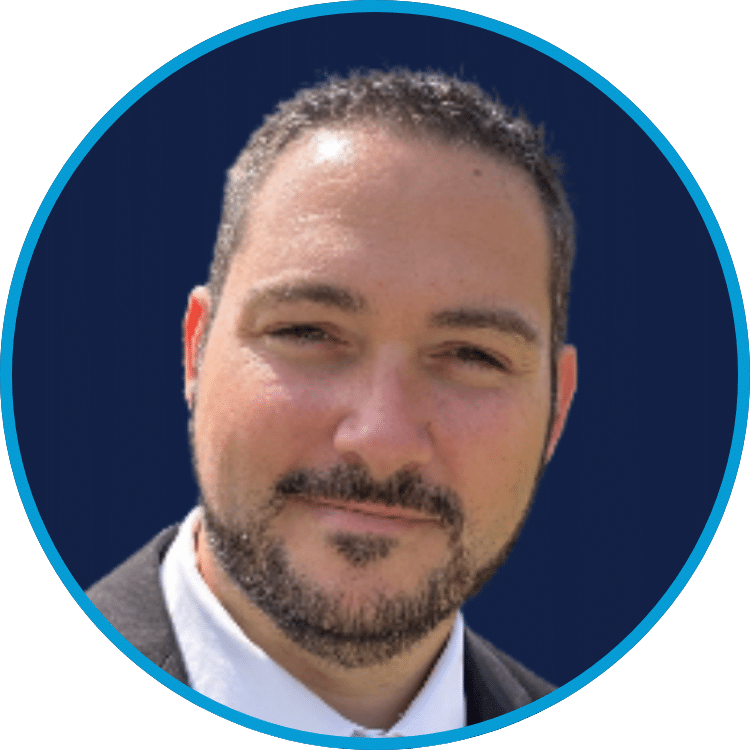
Jonathan Bratt
Assistant Vice President of the Office of Resilience at the University of Maryland
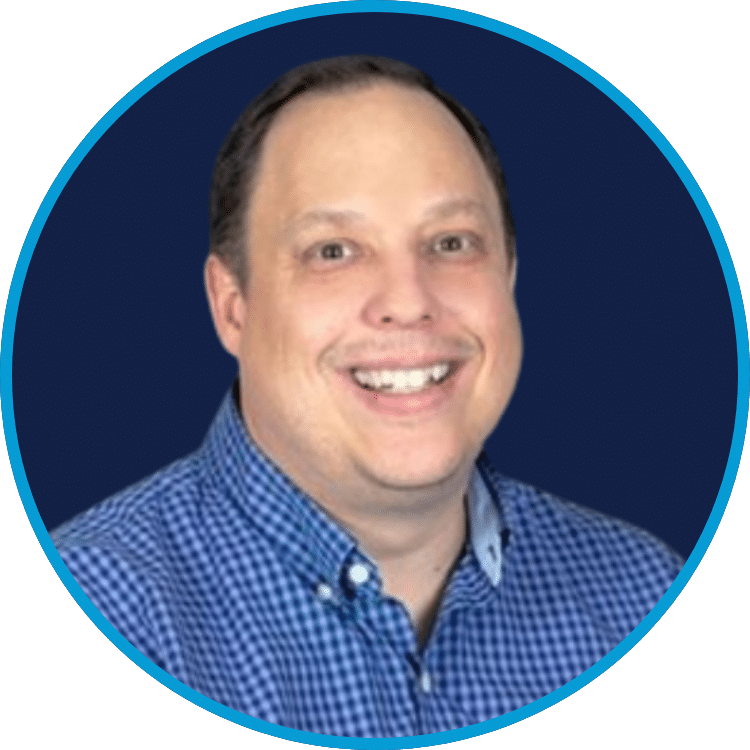
Dr. Joseph Harris
Hazard Mitigation Planner at IEM
Learn more about our guests
Andrew Marinik is the Executive Director of Virginia Tech Emergency Management, a Certified Emergency Manager, and a FEMA-certified ICS instructor. He brings over 15 years of experience in emergency management leadership and research, and nearly 20 years as a firefighter, EMT, and hazardous materials technician.
Jonathan Bratt joined the University of Maryland, Baltimore (UMB) in 2018 as the inaugural Executive Director for Emergency Management and later advanced to become the institution’s first Assistant Vice President (AVP) for Enterprise Resilience. As AVP, Jon is responsible for overseeing UMB’s comprehensive readiness and response efforts. He leads the development and implementation of strategies and policies focused on institutional preparedness, emergency response, recovery, and risk mitigation. Prior to his role at UMB, Jonathan served as Director of the Regional Programs Division within the State’s Emergency Medical Services (EMS) agency and in FEMA’s Weapons of Mass Destruction (WMD) branch. His emergency response experience includes major incidents such as the 9/11 attacks, the Navy Yard shootings, and the Fukushima radiological crisis.
Dr. Joseph Harris is a Hazard Mitigation Planner at IEM, where he supports clients in enhancing community resilience through strategic mitigation planning and risk reduction initiatives. He brings a diverse background in both applied emergency management and academia, with previous experience as an Assistant Professor of Emergency Management at Western Carolina University and Massachusetts Maritime Academy. Dr. Harris also served as an Emergency Management Specialist at the University of North Carolina at Charlotte, where he contributed to campus preparedness, response planning, and continuity initiatives.
In this community-driven episode of DisasterSmiths™, we dive into the world of rural emergency management, where challenges are big, resources are few, and resilience runs deep. Rural leaders face unique challenges, yet they rise to them with creativity, grit, and the unwavering support of their neighbors. From navigating limited budgets and widespread populations to relying on the power of trust, volunteers, and strong relationships, rural emergency managers are redefining what it means to prepare for, respond to, and recover from disasters.
Join us as we uncover the ingenuity, collaboration, and community spirit that keep rural America ready when disaster strikes.
Featured Guests
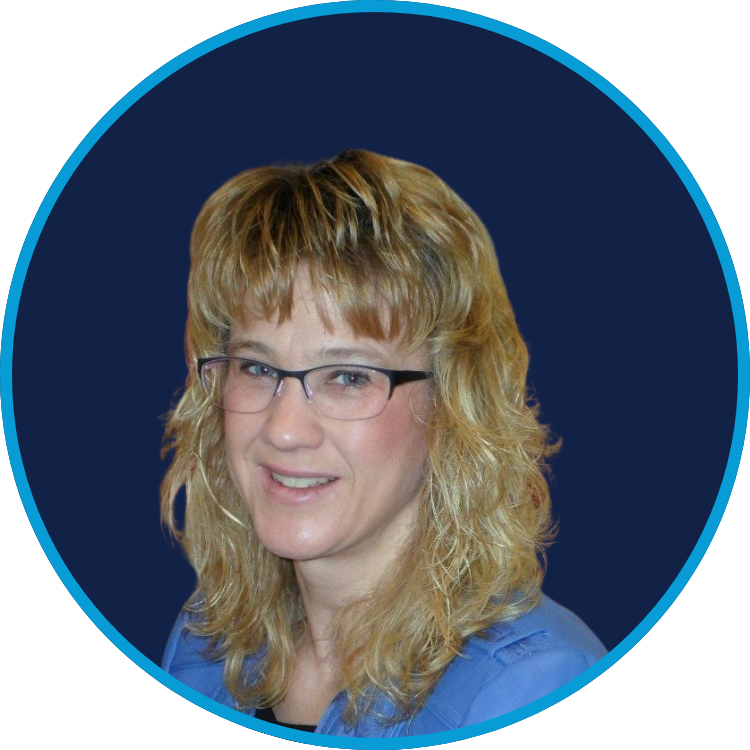
Aimee Barritt
Emergency Management Coordinator for Buena Vista County, Iowa
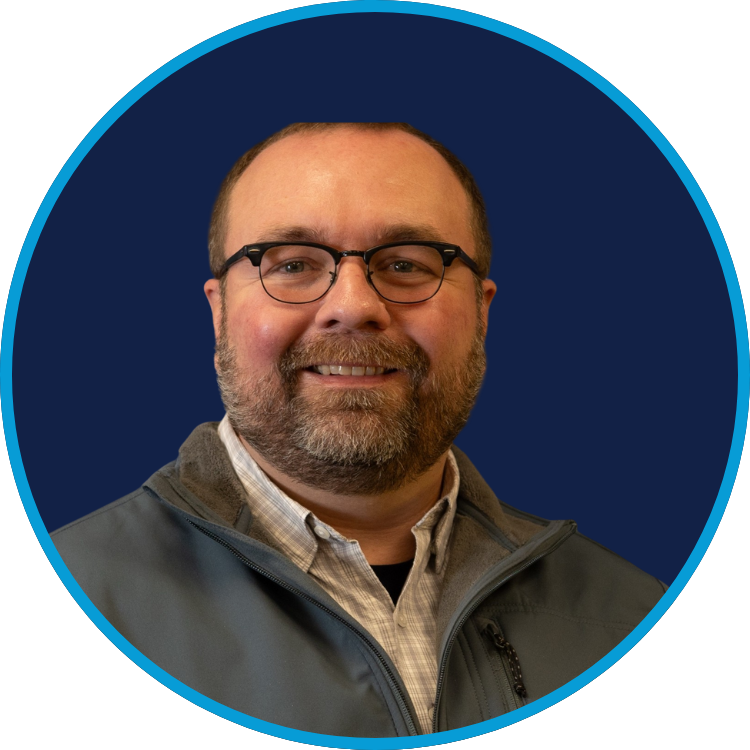
Josh Morton
Director of the Saluda County Emergency Management Division, South Carolina
Director of Response, IEM
Learn more about our guests
Aimee Barritt serves as the Emergency Management Coordinator for Buena Vista County Iowa and has worked in local emergency management across the state for 26 years. Throughout her career, Amy has coordinated responses to multiple Presidential Disaster Declarations, including the Highly Pathogenic Avian Influenza in 2015, 2022, and 2023, most recently being the historic flooding in June 2024 that affected multiple communities across the State.
Josh Morton, CEM, SCCEM, has served as the Director of the Saluda County South Carolina Emergency Management Division since 2012. Prior to his current role, Josh served as a Regional Emergency Manager with the South Carolina Emergency Management Division. Josh has led responses to numerous disasters over the past two decades, including Hurricane Helene, the largest disaster in Saluda County history, and was named South Carolina Emergency Management Director of the Year in 2025.
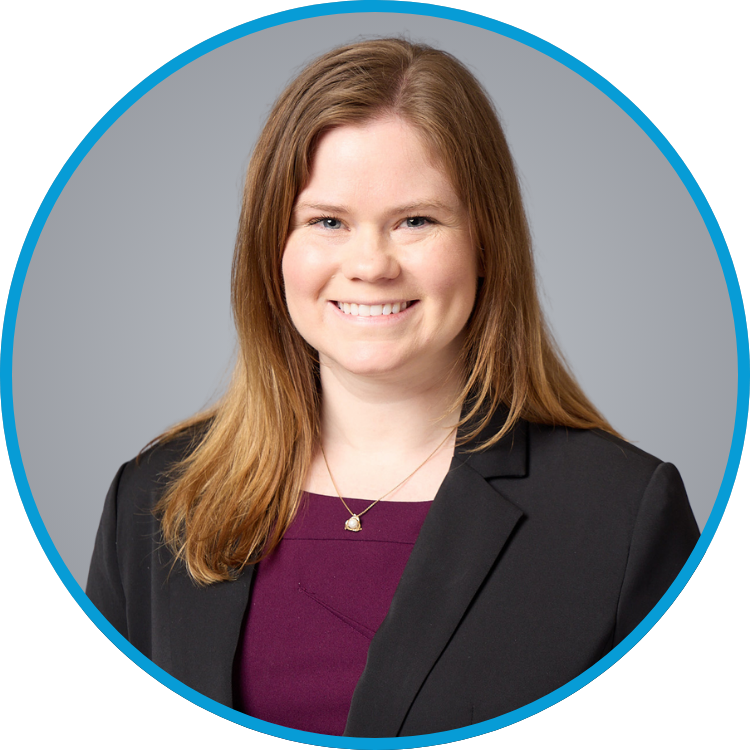
Leigh Deskins, IEM’s Director of Response, has over 16 years’ experience working in disaster recovery and response. Ms. Deskins has managed several response and recovery projects for clients across the country including EOC Staff Augmentation, Surge Staffing, All Hazards Incident Management, and Public Assistance. Prior to joining IEM, she gained comprehensive emergency management leadership experience with Pasco County, Florida’s Emergency Management department during multiple disaster declarations. Her experience as an end user throughout multiple states and localities provides a unique perspective that is widely applicable to program and process improvement.
In this episode of DisasterSmiths™, step into the complex world of emergency management in big cities and urban areas, where every decision carries weight and every incident brings a new set of challenges. Urban emergency managers work under constant pressure, balancing politics, public expectations, and the immense responsibility of keeping millions safe. Their work unfolds in crowded streets, aging infrastructure, and moments when entire systems are strained to their limits.
Our hosts sit down with emergency management leaders who know the reality of city response: the endless coordination, the lessons learned in uncertainty, and the resilience it takes to restore order when disaster strikes.
Featured Guests
Carolyn Levering
Emergency Manager, City of Las Vegas, Nevada
Matthew Mueller
Executive Director of Emergency Management, City and County of Denver, Colorado
Account Executive, IEM
Learn more about our guests
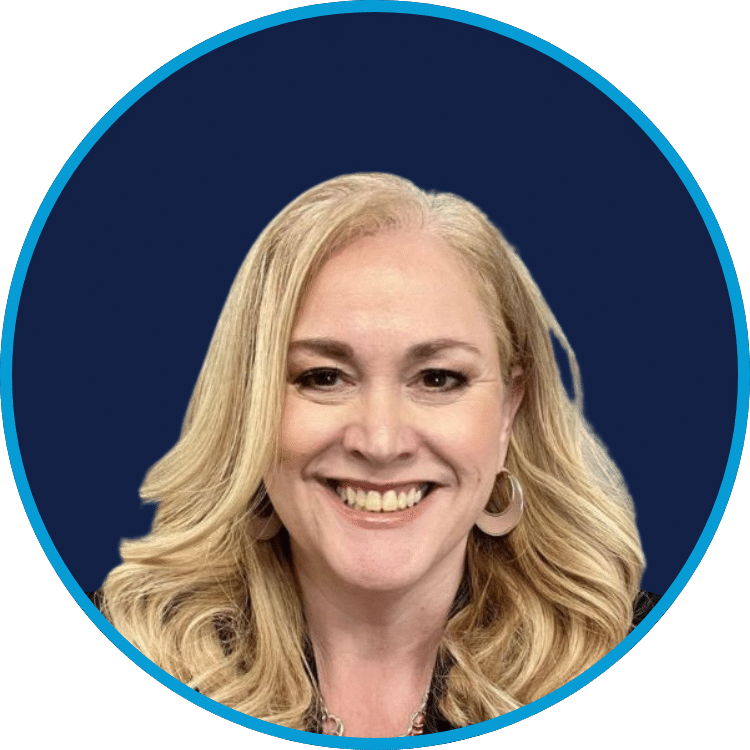
Carolyn Levering is a certified emergency manager and has directed the city of Las Vegas Office of Emergency Management (OEM) since 2008. In addition to leading communitywide preparedness programming, Mrs. Levering has supported her team in coordinating local and regional emergency responses including flash flooding, wildfire, extreme weather events, influenza and pandemic crisis, and the infamous October 2017 mass shooting. Her current appointments include Nevada State Emergency Response Commission, Vice Chair for Nevada Commission on Homeland Security Finance Committee, and the State of Nevada Resilience Advisory Committee.
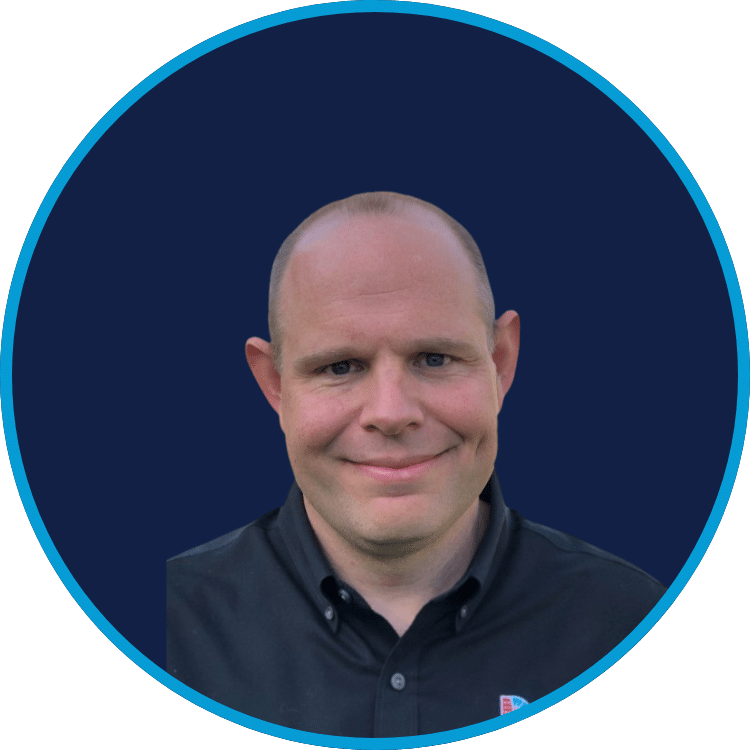
Matthew Mueller is the Executive Director of the Denver Office of Emergency Management (Denver OEM). In his role, he is responsible for the strategic oversight of emergency preparedness, response, recovery, and mitigation for the City and County of Denver. Matthew has worked for Denver OEM since 2009, with responsibility for a variety of programs including operations, continuity planning, training, and exercises. He also serves as Chair of the Urban Area Security Initiative, the Securing the Cities Executive Committee, and the Local Emergency Planning Committee. Additionally, he serves on the Governor’s Homeland Security Advisory Council.
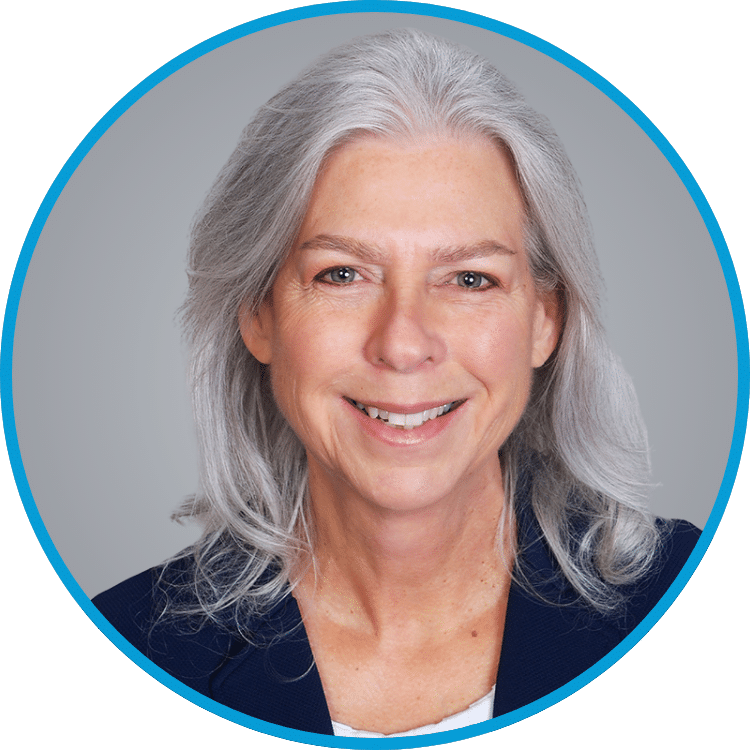
Nancy Dragani is a distinguished executive with over thirty years of experience in state and federal emergency management. Prior to her current role at IEM, she served as the Regional Administrator and Deputy Regional Administrator for FEMA Region 8 from 2016 to 2025. A seasoned leader, Nancy excels in fostering collaboration, driving strategic initiatives, and spearheading programs that enhance IEM’s mission to improve disaster preparedness, response, recovery, and mitigation.
When severe weather threatens, information isn’t just data—it’s a lifeline. In this episode of DisasterSmiths, we delve into the behind-the-scenes partnership that transforms forecasts into life-saving action. Meteorologists translate the science, emergency managers translate the risk, and together they deliver the clarity communities need to make informed decisions quickly. Our guests break down how this collaboration works in real time: how they share information, bridge uncertainty, and communicate threats with precision and trust. Local broadcasters play a pivotal role in that chain, serving as the steady, familiar voices that residents rely on to understand what’s coming and what to do next.
From the broadcast studio to the emergency operations center, discover why the meteorologist–EM partnership is one of the most essential and trusted links in public safety, and how it keeps communities calm, informed, and prepared when every minute counts.
Featured Guests
Jeff Jumper
Deputy Communications Director, PEMA
David Nazario
Meteorologist, NEWS 6 WKMG Orlando
Benj Korson
Manager, IEM
Learn more about our guests
Jeff Jumper is the Deputy Communications Director for the Pennsylvania Emergency Management Agency (PEMA) and served as the first State Meteorologist for PEMA. Prior to PEMA, Jeff worked for a decade as a broadcast meteorologist with television stations in Pennsylvania, Alabama, and Louisiana, earning the NWA Television Seal of Approval and AMS Certified Broadcast Meteorologist designation.
David Nazario serves as a Meteorologist for News 6 WKMG in Orlando, Florida. Prior to his role, David began his career in meteorology through his enlistment in the United States Air Force, where he served for 10 years as an active-duty member before joining the Navy Reserves.
Benj Korson is the Manager of Strategic Programs for IEM’s Recovery Directorate, bringing more than 18 years of experience helping communities prepare for, respond to, and recover from disasters. Prior to IEM, Benj served as Emergency Manager for the City of Dallas Department of Aviation, where he led operations during the COVID-19 pandemic and the 2021 Texas Winter Storms, ensuring continuity of essential services under unprecedented conditions. His work focuses on integrating people, technology, and policy to deliver practical solutions for disaster readiness and recovery.
As a small holiday gift to our DisasterSmiths listeners, we are serving up a special episode that tackles the most important emergency management question of the season: who would run the Incident Command Structure (ICS) at the North Pole?
With a festive spin on real emergency management concepts, we blend holiday chaos, questionable staffing choices, and plenty of seasonal cheer as we build Santa’s ICS using some of our most beloved — and notorious — holiday characters.
From Mr. or Mrs. Clause as Incident Commander, to The Grinch handling Logistics, Scrooge overseeing Finance, and maybe even Rudolph or Sam the Snowman serving as PIO, we assemble the ultimate North Pole Incident Command Structure. Because when the weather turns icy, the toy supply chain is under pressure, and the sleigh must launch on time, someone has to keep Christmas operational. So consider this our holiday thank you! And a little end-of-year fun… who would you trust to keep Christmas on track within the ICS?
Featured Guest
Chief Communications Director, IEM
Learn more about our guest
Stephanie Tennyson, a distinguished professional with over 20 years of experience in communications, intergovernmental affairs, engagement and outreach, marketing and emergency management, serves as the Chief Communications Director at IEM. In her role, Stephanie provides strategic direction and oversight for the company’s external and internal communications and marketing. Although she may not be known as a movie critic to the public, Stephanie is an avid fan of disaster movies, a passion she has cultivated over the years and has earned her the title of a ‘movie connoisseur’ to those around her. Stephanie enjoyed the opportunity to join our DisasterSmiths hosts to share her thoughts and insights on disaster and emergency management movies.
As a pre–New Year’s gift to our DisasterSmiths listeners—and as fans of Netflix’s Stranger Things ourselves—we’re heading straight into the Upside Down to tackle a question no one in Hawkins seems to ask: who would run their Incident Command? (Spoiler warning: we assume you’ve made it past Season 1.)
In this special episode, we put a fun (and slightly chaotic) spin on real Incident Command System (ICS) principles, blending our love of the show with our emergency management instincts as we assign Stranger Things characters to key ICS roles. From Chief Hopper in Command, to Joyce leading Safety, Dustin in Logistics, and maybe even Eleven as a very unconventional tactical resource, we build out a Hawkins ICS capable of managing interdimensional threats, missing persons, government secrecy, and one very persistent gate to the Upside Down.
Because when strange lights appear, communications fail, federal agencies show up uninvited, and monsters start roaming Main Street, someone still must establish command, set objectives, and keep the incident from spiraling completely out of control.
Consider this another end-of-year thank-you for listening, and a little professional fun from fellow ST fans. Light spoilers ahead—nothing from the Upside Down you can’t handle.
Featured Guest
Chief Communications Director at IEM
Learn more about our guest
Stephanie Tennyson, a distinguished professional with over 20 years of experience in communications, intergovernmental affairs, engagement and outreach, marketing and emergency management, serves as the Chief Communications Director at IEM. In her role, Stephanie provides strategic direction and oversight for the company’s external and internal communications and marketing. Although she may not be known as a movie critic to the public, Stephanie is an avid fan of disaster movies, a passion she has cultivated over the years and has earned her the title of a ‘movie connoisseur’ to those around her. Stephanie enjoyed the opportunity to join our DisasterSmiths hosts to share her thoughts and insights on disaster and emergency management movies.
As Season 2 of the DisasterSmiths™ comes to a close, we sit down with IEM leadership to reflect on a defining year for emergency management. In 2025, shifting federal priorities, expanding responsibilities, heightened accountability, and accelerated expectations tested the sector at every level – federal, state, local, and territorial – forcing the profession to adapt while continuing to deliver results amid the demands of disaster recovery.
Looking ahead to 2026, our conversation turns to the future. IEM leaders share how emergency management is evolving and where the focus must be next: integration, implementation, stabilization, and optimization. This season finale offers a clear-eyed look at where the profession has been and what it will take to meet the moment ahead.
Featured Guests
President and CEO, IEM
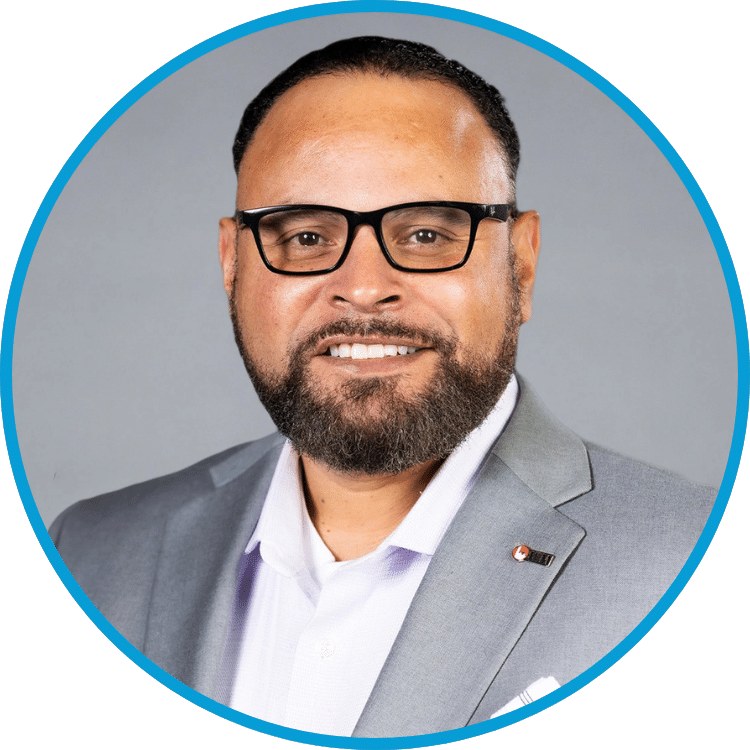
Vice President of Critical Infrastructure, IEM
Vice President of International Homeland Security and Emergency Management, IEM
Vice President of Disaster Recovery, IEM
Learn more about our guests
Bryan Koon, current President and Chief Executive Officer of IEM, began his career in the Navy as a Surface Warfare Officer, followed by significant roles in the White House Military Office. From 2006 to 2011, Bryan served as a Director at Walmart Stores, Inc., overseeing emergency management operations and was instrumental in managing responses to various national and international disasters. In 2011, Bryan became Director of the Florida Division of Emergency Management, leading the State’s efforts in emergency preparedness, recovery, and mitigation. Bryan’s continued visionary approach emphasizes community resilience and cross-sector collaboration in emergency management, making him a key driver of innovative solutions and strategic partnerships at IEM.
Alex Amparo, a seasoned leader in disaster management and infrastructure resilience, serves as IEM’s Vice President of Critical Infrastructure. In this capacity, he oversees IEM’s infrastructure projects, supporting governmental and private sector partners in building security, resilience, and continuity in the infrastructure sector. Prior to joining IEM, Alex held the position of Assistant Administrator for National Preparedness at the Federal Emergency Management Agency (FEMA) as. In this role, he provided comprehensive guidance and support to states, territories, tribes, and localities, focusing on equity, climate resilience, and national readiness. His tenure included roles such as Acting Director of External Affairs and Assistant Administrator of Recovery, where he oversaw the disbursement of over $90 billion in federal disaster aid.
James Clark, IEM’s VP of International Homeland Security and Emergency Management, guides IEM’s strategic efforts in homeland security and emergency management, leveraging deep experience in disaster recovery, public safety, and crisis operations. Prior to the private sector, James began his career in emergency management at the Louisiana’s Governor’s Office of Homeland Security and Emergency Preparedness, where he led a $12 billion recovery program, managing over 200 state staff and nearly 100 contractors to deliver aid and mitigation support. He oversaw community disaster loans, individual assistance, and direct federal aid, improving the state’s resilience and recovery efforts during his tenure.
Marion McFadden is the Vice President of Disaster Recovery at IEM and a nationally recognized leader in affordable housing, disaster recovery, and community resilience. With over 25 years of experience managing federal grants and multi-billion-dollar budgets, she has played a pivotal role in shaping national policy and programs. Prior to joining IEM, Marion served as Principal Deputy Assistant Secretary at HUD’s Office of Community Planning and Development, Senior Vice President at Enterprise Community Partners, and Deputy Assistant Secretary at HUD. Throughout her career, she has led major federal initiatives addressing homelessness, expanding affordable housing, and accelerating disaster recovery for impacted communities.
A Smith is one dedicated to mastering the hardest metals known to man, responsible for brokering the compromise between nature and people. A DisasterSmith molds and shapes how we respond to and recover from disasters, forging tools and programs to help communities recover, rebuild, and increase resilience as disasters evolve. Our hosts, IEM’s own Chris Smith and Diana Rothe-Smith, share how their dedication and experience to the craft have propelled them to DisasterSmith status and how the DisasterSmiths podcast will cultivate conversations with fellow practitioners to drive innovative solutions for a durable, more adaptable world.
Our Hosts
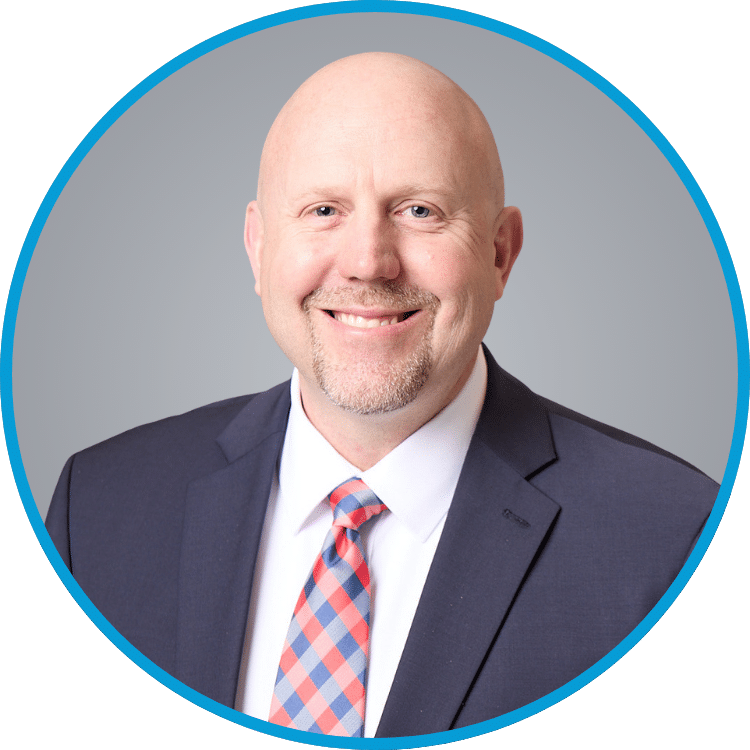
Director, Individual Assistance and Disaster Housing at IEM
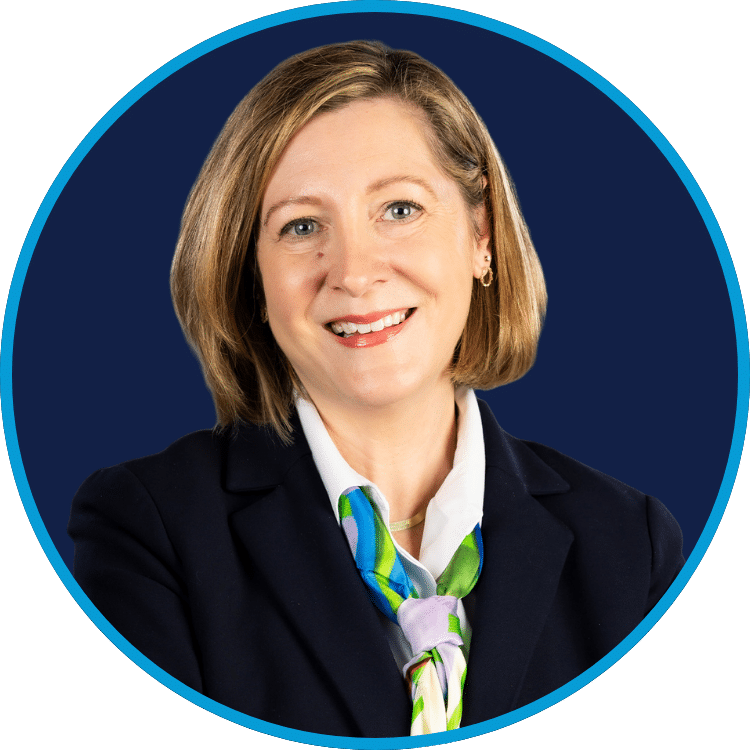
Manager, Disaster Case
Management at IEM
Learn more about our DisasterSmiths
Chris Smith, the Director of Individual Assistance and Disaster Housing at IEM, is pivotal in steering the company’s strategic and operational disaster recovery initiatives, mainly focusing on individual assistance and housing deliveries. His extensive experience in emergency management across various levels of government empowers him to lead with a unique blend of strategic insight and practical expertise. Chris’ career spans over 25 years at the local, state, and federal levels, and his significant tenure includes serving as a critical member of the Federal Emergency Management Agency’s senior leadership, where he headed the Office of Response and Recovery’s Individual Assistance Division. There, he led a large team through 175 federally declared disasters, efficiently managing the distribution of over $52 billion in federal assistance to those affected by disasters.
Diana Rothe-Smith serves as IEM’s Program Manager for Disaster Case Management. In this capacity, she applies a holistic survivor-focused approach to community recovery. Most of Diana’s work has been in coalition development, voluntary agency coordination, and community days of service. She has established long-term recovery groups, preparedness councils, unmet needs committees, and community resiliency groups. Diana served as FEMA’s Acting Section Chief for voluntary agency coordination, was a program manager with the International Association of Fire Chiefs, and was the executive director for the National Voluntary Organizations Active in Disaster (National VOAD).
Over the last decade and a half, the federal government has taken many steps to offer more inclusive efforts on disaster service delivery. This has been largely achieved through the works of advocacy groups. As a result, laws like the Post-Katrina Emergency Management Reform Act and the Disaster Recovery Reform Act adapt the Stafford Act to mandate more accessibility in disaster response services and recovery programs.
But what does this mean for local communities? The reality is more empowered citizens are more prepared and their communities more resilient.
Featured Guests
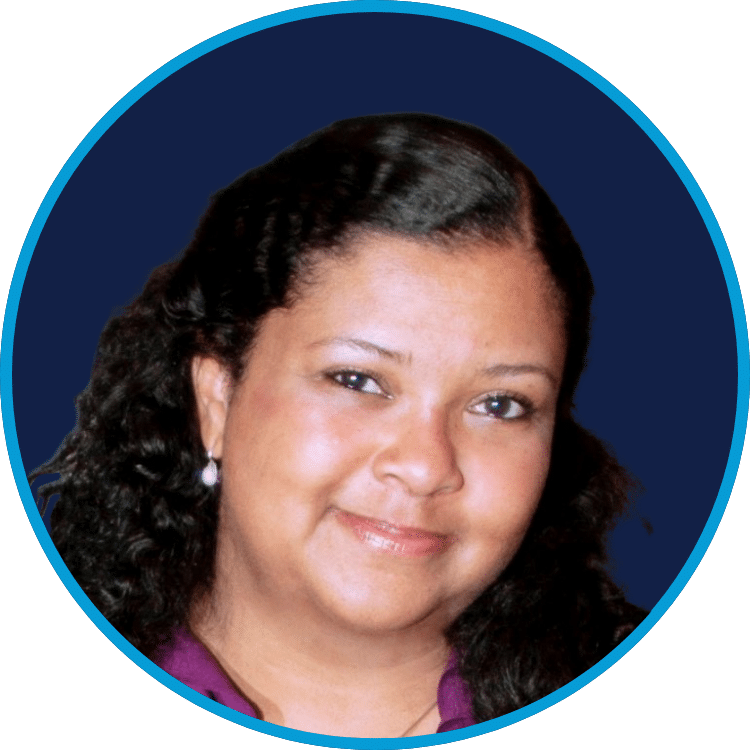
Ana-Marie Jones
Former Executive Director of Collaborating Agencies Responding to Disasters’ (Bay Area CARD)
Krista Houk
Manager, State and Local Preparedness Programs at IEM
Learn more about our guests
Before joining Interpro, Ana-Marie Jones spent over sixteen years as the executive director of CARD – Collaborating Agencies Responding to Disasters – where she championed the disaster readiness and resilience needs of nonprofits, faith agencies, service providers, and their diverse constituencies. For over 25 years, Ana-Marie Jones has been a subject matter expert in culturally appropriate approaches to emergency preparedness, disaster response, and public safety efforts. Her innovations and alternative approaches to all aspects of emergency services have drawn international praise. Inducted into the International Women in Emergency Management and Homeland Security Hall of Fame in 2012 for her innovations in emergency management, Ana-Marie has also received several awards, including three cable Telly Awards. She’s also the founder of Oakland Speaks, a new effort designed to make conflict resolution and de-escalation a shared public language, starting with the City of Oakland, California.
Krista Houk has more than twenty years of experience in emergency management, out of which she has served as an emergency manager at the local level for over eight years. She started her career as the Director of Madison County Emergency Management Agency, Ohio, and later took the position of Emergency Services Manager for the City and County of San Francisco (CCSF), California. During her time as a local emergency manager, Ms. Houk initiated many programs and planning efforts, including the Madison Crisis Response Team. This allowed her the opportunity to deploy to Mississippi post-Hurricane Katrina. As the Emergency Services Manager for the Division of Emergency Services, San Francisco Department of Emergency Management, she supervised the day-to-day operations and managed all projects and programs related to the Division and the city’s training and exercise program. Currently, Ms. Houk works as IEM’s State and Local Preparedness Manager, where she supports planning, training, and exercises across the country.
Community systems are the places where people live, work, and interact with their environment and others. Urban or rural, coastal or inland, everyone lives in a system. These systems can promote resilience or increase the risk of negative disaster outcomes for communities simply by their designs, growth patterns, and community investment choices.
How does resilience factor into recovery? Climate resilience and social capital shape disaster recovery for communities nationwide as resilience goes beyond infrastructure.
Featured Guests
Jono Anzalone
Former Head of Disaster & Crisis, Preparedness, Response, and Recovery for International Federation of Red Cross

Zahraa Saiyed, Ph.D.
Senior Disaster Risk Reduction Consultant for the World Bank
Learn more about our guests
Most recently, Jono Anzalone was the Executive Director of The Climate Initiative (TCI), a nonpartisan organization that inspires to educate, empower, and active 10 million youth around climate action by 2025. Jono’s hundreds of national and international disaster assignments with the American Red Cross, The International Federation of Red Cross and Red Crescent Societies (IFRC), and International Committee of the Red Cross (ICRC) have led him to serve in places such as Mexico, Belize, Suriname, Jamaica, The Bahamas, Turks and Caicos, Liberia for the Ebola crisis, and Haiti, to include being detailed to the United States Agency on International Development (USAID) during the 2010 Haiti Earthquake and assigned to their Response Management Team to lead the agencies donations management activity.
Dr. Zahraa Saiyed is a multi-disciplinary in disaster risk reduction, public policy, and risk governance consultant with background and training as an architect, building scientist, structural engineer, and educator. Dr. Saiyed is a co-founder and principal of Scyma Consulting, a Research Affiliate with Massachusetts Institute of Technology’s Urban Risk Lab, and is a Senior Disaster Risk Reduction Consultant for the World Bank, where she works on earthquake engineering, wildfire management, mental health, and community engagement.
In the aftermath of Hurricane Katrina in 2005, over one million residents were evacuated across the country, leaving them in dire need of emergency services. In partnership with the Federal Emergency Management Agency (FEMA), the United Methodist Committee on Relief (UMCOR) created Katrina Aid Today, a national case management consortium.
How did disaster case management evolve from humble meetings and handshakes to the complex system we know today? This unprecedented program set a new standard for recovery efforts and established modern disaster case management practices nationwide.
Featured Guests
Liz Gibson
Former FEMA Voluntary Agency Liaison
Cathy Earl
Former U.S. Program Director of Disaster Response, United Methodist Committee on Relief
Learn more about our guests
With more than 30 years of experience in Disaster Response and Recovery, Liz Gibson is the former Section Chief for the Voluntary Agency Liaisons (VAL) at the Federal Emergency Management Agency (FEMA). Liz began her career at the Central Ohio American Red Cross on the Disaster Assistance Team (DAT). Following her position on DAT, Liz became the Family Services Additional Assistance Coordinator at American Red Cross Headquarters, where she honed her skills in disaster resource identification and coordination with multiple faith-based and voluntary agencies. Liz went on to complete a two-year rotation with the International Society of Red Cross and Red Crescent, developing response and recovery training for the Caribbean Region before returning to FEMA Headquarters. Liz’s experience at FEMA Headquarters included participating in the development of the Federal Disaster Case Management Program.
Following the tragic events of September 11, 2001, Cathy Earl began her career in disaster recovery and response by applying her experience as a professional social worker and case manager to supervise and later direct a long-term disaster recovery program. Five years later, in response to Hurricane Katrina, the United Methodist Committee on Relief (UMCOR) deployed Cathy to the Gulf to train FEMA personnel in disaster casework. Subsequently, she was hired as lead case management technical supervisor for Katrina Aid Today, a FEMA-funded program. Cathy joined the core staff of UMCOR in 2008 as program director for U.S. disaster response and later as the Director of Disaster Response and U.S. Partner Relations. Cathy later served in a leadership role on the National Voluntary Organizations Active in Disaster (NVOAD) established committee, the Case Management Committee, from 2008 – 2016. In 2018, Cathy was elected to the National VOAD’s Board of Directors.
The conversation continues with guests Cathy Earl and Liz Gibson as we explore how disaster case management has evolved through the years. As our country healed from 9/11, there was a shift in perspective as to what services were essential to best meet the needs of those impacted, opening up the space to address the emotional and spiritual needs in addition to the physical needs. Our guests guide us through the development of federal programs and how providers strive to best serve communities in times of crisis.
By asking those involved from the beginning, we address: What defines disaster case management? What is it not?
Featured Guests
Liz Gibson
Former FEMA Voluntary Agency Liaison
Cathy Earl
Former U.S. Program Director of Disaster Response, United Methodist Committee on Relief
Learn more about our guests
With more than 30 years of experience in Disaster Response and Recovery, Liz Gibson is the former Section Chief for the Voluntary Agency Liaisons (VAL) at the Federal Emergency Management Agency (FEMA). Liz began her career at the Central Ohio American Red Cross on the Disaster Assistance Team (DAT). Following her position on DAT, Liz became the Family Services Additional Assistance Coordinator at American Red Cross Headquarters, where she honed her skills in disaster resource identification and coordination with multiple faith-based and voluntary agencies. Liz went on to complete a two-year rotation with the International Society of Red Cross and Red Crescent, developing response and recovery training for the Caribbean Region before returning to FEMA Headquarters. Liz’s experience at FEMA Headquarters included participating in the development of the Federal Disaster Case Management Program.
Following the tragic events of September 11, 2001, Cathy Earl began her career in disaster recovery and response by applying her experience as a professional social worker and case manager to supervise and later direct a long-term disaster recovery program. Five years later, in response to Hurricane Katrina, the United Methodist Committee on Relief (UMCOR) deployed Cathy to the Gulf to train FEMA personnel in disaster casework. Subsequently, she was hired as lead case management technical supervisor for Katrina Aid Today, a FEMA-funded program. Cathy joined the core staff of UMCOR in 2008 as program director for U.S. disaster response and later as the Director of Disaster Response and U.S. Partner Relations. Cathy later served in a leadership role on the National Voluntary Organizations Active in Disaster (NVOAD) established committee, the Case Management Committee, from 2008 – 2016. In 2018, Cathy was elected to the National VOAD’s Board of Directors.
Following disasters, the role of food in aiding recovery varies across affected communities nationwide. Over time, mass care feeding initiatives have advanced significantly, better addressing the diverse needs of those they serve. Transitioning from standardized meals to customizable plates accommodating dietary restrictions, religious practices, and other individual preferences, these organizations are embracing more holistic recovery strategies.
Acknowledging food’s role beyond sustenance, it becomes a beacon of hope amidst challenging times.
Featured Guests
Kevin Smith
Founder and President of Rule One Consulting

Patrick Crawford
Senior Director of Disaster Services at Feeding America
Kimberly Prosser
Manager, State and Local
Response and Recovery at IEM
Learn more about our guests
Kevin Smith is a Certified Emergency Manager with over 25 years of experience collaborating with local, state, federal government, and nonprofit organizations. His journey in emergency management began in 1996 with The Salvation Army, ultimately leading disaster relief efforts as an Area Commander for federally declared disasters. From 2005 to 2008, Kevin served as the National Disaster Specialist with Feeding America. In this role, he focused on building resilience and response capacity within food banks and community-based organizations. From 2018 to 2021, Kevin served as the Director of the Department of Homeland Security Center for Faith and Opportunity Initiatives. In 2021, Kevin founded Rule One Consulting LLC, a whole community consulting firm dedicated to enhancing the efforts of emergency managers and nonprofit organizations.
Patrick Crawford has over 20 years of experience in the private and public sectors. From 1994 to 2001, Patrick held critical positions at the Federal Emergency Management Agency (FEMA), where he engaged deeply in policy formulation across various programs and contributed to FEMA’s Individual Assistance, Public Assistance, and Hazard Mitigation Programs. Transitioning to the private sector from 2001 to 2007, Crawford provided strategic government affairs and public affairs counsel to clients within the emergency management and public safety domains. His consultancy focused on emergency planning, disaster mitigation, and business continuity planning. Patrick currently serves as the Senior Director of Disaster Services at Feeding America and, since 2007, has spearheaded coordinated disaster relief efforts for Feeding America’s expansive network of 200 food banks.
Prior to joining IEM, Kimberly Prosser served as Emergency Management Director for Brevard County, Florida, where she oversaw all phases of the emergency management program, including responding to numerous major disasters as Incident Commander, Planning Section Chief, and Public Information Officer. Since joining IEM in 2020, she has deployed to Tallahassee, Florida and Springfield, Illinois for COVID-19 vaccination response coordination, to Hernando County, Florida for Hurricane Isaias and Eta, and to Southwest Florida and Tallahassee for Hurricane Ian.
In this follow-up episode, we dive deeper into the world of mass care feeding alongside our guests, Kevin Smith and Patrick Crawford. We explore how mass feeding organizations actively work to deepen their understanding of and foster stronger relationships within their communities during blue skies. By cultivating connections and bolstering community infrastructure, nonprofits are working to enhance community resilience.
Highlighting the multifaceted role of food, we recognize it’s not only sustenance, food serves as a symbol of home and belonging.
Featured Guests
Kevin Smith
Founder and President of Rule One Consulting
Patrick Crawford
Senior Director of Disaster Services at Feeding America
Kimberly Prosser
Manager, State and Local
Response and Recovery at IEM
Learn more about our guests
Kevin Smith is a Certified Emergency Manager with over 25 years of experience collaborating with local, state, federal government, and nonprofit organizations. His journey in emergency management began in 1996 with The Salvation Army, ultimately leading disaster relief efforts as an Area Commander for federally declared disasters. From 2005 to 2008, Kevin served as the National Disaster Specialist with Feeding America. In this role, he focused on building resilience and response capacity within food banks and community-based organizations. From 2018 to 2021, Kevin served as the Director of the Department of Homeland Security Center for Faith and Opportunity Initiatives. In 2021, Kevin founded Rule One Consulting LLC, a whole community consulting firm dedicated to enhancing the efforts of emergency managers and nonprofit organizations.
Patrick Crawford has over 20 years of experience in the private and public sectors. From 1994 to 2001, Patrick held critical positions at the Federal Emergency Management Agency (FEMA), where he engaged deeply in policy formulation across various programs and contributed to FEMA’s Individual Assistance, Public Assistance, and Hazard Mitigation Programs. Transitioning to the private sector from 2001 to 2007, Crawford provided strategic government affairs and public affairs counsel to clients within the emergency management and public safety domains. His consultancy focused on emergency planning, disaster mitigation, and business continuity planning. Patrick currently serves as the Senior Director of Disaster Services at Feeding America and, since 2007, has spearheaded coordinated disaster relief efforts for Feeding America’s expansive network of 200 food banks.
Prior to joining IEM, Kimberly Prosser served as Emergency Management Director for Brevard County, Florida, where she oversaw all phases of the emergency management program, including responding to numerous major disasters as Incident Commander, Planning Section Chief, and Public Information Officer. Since joining IEM in 2020, she has deployed to Tallahassee, Florida and Springfield, Illinois for COVID-19 vaccination response coordination, to Hernando County, Florida for Hurricane Isaias and Eta, and to Southwest Florida and Tallahassee for Hurricane Ian.
In this compelling episode, we delve into the critical role that the private sector plays in disaster recovery, shedding light on their unique position and potential for impact. By leveraging their resources, expertise, and networks, private entities provide immediate relief and support innovative rebuilding efforts that are both efficient and sustainable for communities recovering from disasters.
Through their commitment and creativity, corporations play a pivotal role in helping to expedite recovery efforts, contributing to a community’s ability to bounce back quickly and more resiliently.
Featured Guests
Kellie Bentz
Affiliate Faculty & Senior Advisor, National Preparedness Leadership Initiative at Harvard University and former Head of Global Disaster Response and Relief at Airbnb
Joe Ruiz
Vice President of Strategic Partnerships for Red Lightning, former Head of The UPS Foundation’s Health and Humanitarian Relief Program
Bryan Koon
President and
CEO of IEM
Learn more about our guests
With over twenty years served in various leadership capacities within the crisis response space, Kellie Bentz began her career in the public sector as the founding Executive Director of HandsOn New Orleans, an initiative dedicated to engaging volunteers in response to Hurricane Katrina. Kellie held leadership positions, including the National Voluntary Organizations Active in Disaster (VOAD), Louisiana VOAD, and the City of New Orleans Mayoral Transition Team. From 2010-2013, Kellie served as the Senior Director of Disaster Services for Points of Light, the largest volunteer network in the world, before transitioning to the private sector. Kellie managed Target’s Global Crisis Management program before being recruited by AirBnB. Kellie served as the first Head of Global Disaster Response and Relief from 2015 – 2020, where she worked across the enterprise to address and respond to crises that impacted the Airbnb community of over 6 million hosts in 191 countries globally.
Prior to his leadership role at Red Lightning, Joe Ruiz had over 35 years in the private sector. Joe led The UPS Foundation’s Health and Humanitarian Relief Program, overseeing funding and in-kind and skilled volunteer initiatives. He facilitated the UPS Experts on Mission program to share UPS’s global supply chain expertise with international NGOs, UN agencies, and the Global Logistics Cluster, and provided private sector capacity to more than 20 global crises, including most recently the Global Pandemic, the Ukraine Invasion and Turkey Earthquakes. Under Joe’s leadership, The UPS Foundation created innovative public-private partnerships to bring private sector expertise and capacity to global disaster response and to support health systems in countries of need. These award-winning initiatives included the Logistics Emergency Team, a collaboration of leading logistics sector companies, a medical drone partnership with Gavi and Zipline, and the UPS Vaccine Equity Initiative that deployed skilled volunteers, cold-chain tools, and training to help deliver 100’s millions of COVID and childhood vaccines to underserved and remote communities in low and middle-income countries.
Bryan Koon, current President and Chief Executive Officer of IEM, began his career in the Navy as a Surface Warfare Officer, followed by significant roles in the White House Military Office. From 2006 to 2011, Bryan served as a Director at Walmart Stores, Inc., overseeing emergency management operations and was instrumental in managing responses to various national and international disasters. In 2011, Bryan became Director of the Florida Division of Emergency Management, leading the State’s efforts in emergency preparedness, recovery, and mitigation. As Vice President of International Homeland Security and Emergency Management at IEM, Bryan has overseen vital projects in emergency management. These include responses to the COVID-19 pandemic, air evacuation support, and various public assistance and hazard mitigation grant programs. Bryan’s continued visionary approach emphasizes community resilience and cross-sector collaboration in emergency management, making him a key driver of innovative solutions and strategic partnerships at IEM.
In this episode, we delve into the vital role of faith-based, volunteer organizations in disaster recovery efforts, exploring how they provide practical assistance as well as emotional support and hope to affected communities. From rebuilding homes to offering counseling services, these organizations demonstrate the power of compassion and solidarity in times of crisis.
Join us as we explore their inspiring stories and how they “let the hammer ring hope, rebuilding lives one nail at a time.”
Featured Guests

Brent Graybeal
Director of U.S. Recovery and Development at Samaritan’s Purse

Kevin King
Executive Director of
Mennonite Disaster Service

Earl Randall III
Former Director of Disaster Recovery Program Compliance and Monitoring at IEM
Learn more about our guests
In 2011, Brent Graybeal founded Samaritan’s Purse, a nondenominational Christian relief organization that provides spiritual and physical aid to hurting people worldwide. Brent has served as the director of Recovery and Development in the U.S. Disaster Relief arm of Samaritan’s Purse since 2014. Under his leadership, the rebuild and recovery part of the ministry has assisted over 2,570 families by building new homes and repairing storm-damaged homes at no cost to the families. Prior to starting Samaritan’s Purse, Brent helped shape his community by working in local government for 20 years, primarily with contractors and developers implementing land use regulations.
Kevin King has been the Executive Director of Mennonite Disaster Service (MDS) since 2004. During his tenure, he has seen the organization grow more than quadruple in terms of staffing, volunteer response, and funding. He and his team have led the organization primarily to focus on repairing and rebuilding homes with a priority on mitigation practices. In his years with MDS, Kevin has strengthened collaboration with diverse disaster response groups to magnify even further the positive impact volunteers and funds have on the lives of disaster survivors. Prior to his work with MDS, he worked overseas with the Mennonite Central Committee (MCC) as an International Agriculture Advisor and Disaster Response Coordinator in Brazil and Jamaica.
Earl Randall III is the Former Director of Disaster Recovery Program Compliance and Monitoring at IEM, specializing in managing compliance for disaster recovery grants. He previously served as HUD Louisiana Field Office Director, leading housing recovery efforts during the 2016 Louisiana Great Floods and providing assistance after Hurricane Harvey and Hurricane Maria. From 2007 to 2014, Earl was a senior disaster specialist at HUD, handling long-term disaster recovery for Louisiana and New York. He holds master’s and bachelor’s degrees from Louisiana State University and oversees disaster recovery programs in multiple states at IEM.
As we face stronger, and more frequent disasters, join the DisasterSmiths as they explore the unifying power of citizen groups in driving community-led recovery. Recognizing the opportunity to tap their skills and passion for service to address unmet needs, our guests share their personal journeys of overcoming adversity and how these experiences became the catalyst for founding their own organizations dedicated to enhancing community resilience worldwide.
Through solidarity and empowerment, citizen groups continue to play an essential role in disaster recovery efforts.
Featured Guests
Jennifer Gray Thompson
CEO of After the Fire USA, LLC & After the Fire USA (501c3)

Lisa Orloff
Founder and President of World Cares Center

Elizabeth Zimmerman
Senior Executive Advisor at IEM
Learn more about our guests
CEO of After the Fire USA, LLC & After the Fire USA (501c3), Jennifer Gray Thompson MPA, has a remarkable journey rooted in community disaster recovery. In 2017, after devastating fires in San Francisco’s North Bay, Jennifer became the Executive Director of Rebuild NorthBay Foundation (RNBF), a non-profit formed to help the region rebuild. In response to the Era of Megafires, a relatively recent chronic climate-based disaster, RNBF created After the Fire USA in 2020. Gray Thompson was named to Forbes’ 50 over 50 IMPACT List in 2022 and appointed to the Bipartisan Policy Center Disaster Response Reform Task Force in 2023. As a nationally recognized subject matter expert (SME) in megafire recovery, she presents at several national conferences and has also been featured in local, regional, and national news outlets.
Founder and President of World Cares Center, a non-profit voluntary organization developed in response to 9/11, Lisa Orloff is a not-for-profit entrepreneur, President of Resiliency Advisors, LLC, and founder of World Cares Center, the not-for-profit, voluntary organization she spearheaded after 9-11-2001. Ms. Orloff has responded during the 9-11 relief effort, Hurricane Katrina, the Haiti Earthquake of 2010, Hurricane Irene, and SuperStorm Sandy. Lisa has built partnerships with Offices of Emergency Management, Citizen Corp, CERT, the American Red Cross, Police Departments, and the military, including the Department of Defense and UN cluster groups. Ms. Orloff contributes to a broader approach to inclusive disaster risk reduction and response as a subject matter expert for SAHMSA on the development of the Disaster Supervisor and Worker Resiliency Training.
Elizabeth Zimmerman, an eminent figure in emergency management, acts as a Senior Executive Advisor to IEM. A champion of innovation and effective disaster management strategies, Elizabeth spearheaded the development and implementation of the National Disaster Recovery Framework, Recovery Support Functions, and the Federal Disaster Recovery Coordinators. Throughout her career, Elizabeth has emphasized the importance of understanding the unique needs of communities affected by disasters.
As we face stronger and more frequent disasters, join the DisasterSmiths as they explore the unifying power of citizen groups in driving community-led recovery. Recognizing the opportunity to tap their skills and passion for service to address unmet needs, our guests share their personal journeys of overcoming adversity and how these experiences became the catalyst for founding their own organizations dedicated to enhancing community resilience worldwide.
Through solidarity and empowerment, citizen groups continue to play an essential role in disaster recovery efforts.
Featured Guest

Jennifer Bennett
Director of Education and Training at VolunteerMatch
Learn more about our guest
Jennifer Bennett leads the VolunteerMatch Learning Center and designs tools, trainings, and resources to help VolunteerMatch’s community of nonprofits better recruit and engage volunteers. She shares her knowledge with leaders of volunteers through the trainings in the Learning Center, the LOVs Newsletter, the VolunteerMatch Blog, and at conferences around the country. Jennifer serves as the Director of Knowledge on the Board of the Council for Certification in Volunteer Administration and is the current Co-Editor and a contributing author for the 4th Edition of Volunteer Administration: Professional Practice, published by LexisNexis Canada in January 2021.
In this episode, we uncover the crucial yet often overlooked role of donations management in disaster response. Our hosts and expert guests explore everything from the strategic placement of warehouses to tailoring aid to a community’s specific needs. They also tackle the delicate art of redirecting well-meaning donations that can, if mishandled, hinder emergency efforts.
Join us as we navigate the fine line between public generosity and practical logistics, revealing how to turn goodwill into powerful, effective relief.
Featured Guests

Jim Alvey
Vice President of Disaster Recovery at Good360

Chris Cameron
Executive Director of HandsOn New Orleans

Michele Jones
Manager, State and Local Response and Recovery
Learn more about our guests
As Good360’s Vice President of Disaster Recovery, Jim Alvey works across public, private, and non-profit sectors to increase the efficiency and impact of in-kind donations in the disaster space. Since 2016, he has been building and maintaining corporate and foundation relationships based on trust and appreciation for the roles each of us plays in closing need gaps in our communities. Jim’s primary focus areas are developing products and funding partnerships that support the pre-positioning of products and long-term recovery efforts while also providing thought leadership to all stakeholders.
With over 30 years of experience in natural and human-made disasters, Chris Cameron is a seasoned expert in disaster recovery. Prior to joining HandsOn New Orleans in 2012, Chris co-chaired with the director of the New Orleans Office of Homeland Security and Emergency Preparedness (NOHSEP) to lead a year-long Community Advisory Committee that developed the first-ever Comprehensive Disaster Recovery Plan. This achievement puts New Orleans among only a few cities nationwide to accomplish this feat. In addition to his role as Executive Director of HandsOn New Orleans, Chris is an active member of the Points of Light Global Network Affiliate Assembly and serves as Liaison to the Disaster Management subcommittee. He serves on the Louisiana Voluntary Organizations Active in Disaster (LAVOAD) board of directors and represents HandsOn in Long-Term Recovery Groups (LTRGs).
Michele Jones is a seasoned emergency management professional with a wealth of knowledge and hands-on experience in federal funds management from the local and state perspective, as well as emergency management response and recovery at the state and local levels. Prior to IEM, Michele served as the Emergency Management Director of Martin County. Michele’s technical expertise spans programs like the Coronavirus Relief Fund, American Rescue Plan Act, and FEMA Public Assistance, and she has led projects wherein over $2.9B in federal funds have been managed through her support of state and county agencies in Nevada, Florida, and Virginia.
In this compelling episode, we explore the pivotal role that trust plays in emergency management for tribal communities. Trust is not given; it is earned through respect, understanding, and authentic engagement. Our hosts and expert guests illuminate the rich diversity of tribes, each with its own unique culture, history, and identity, emphasizing the importance of honoring these distinctions.
More than just a discussion, this episode offers powerful insights into how emergency managers can move beyond the checkbox approach and embark on a journey of true partnership with tribal communities. Packed with real-world stories and practical advice, it’s a call to action for every emergency manager to listen, learn, and forge lasting relationships rooted in trust and collaboration. Tune in and be part of the transformation.
Featured Guests

Mark Ford
Director of Native/Tribal Partnerships at Feeding America

Chuck Kmet
Emergency Manager for the Salt River Pima-Maricopa Indian Community

Account Executive
Learn more about our guests
Mark Ford is originally from Alamosa, Colorado and is Chiricahua Apache with a Jicarilla Apache and Pueblo descent. As a former Roman Catholic priest, Mark spent seven years working with the Navajo and Hopi Reservations in Arizona. After serving in New Orleans post-Hurricane Katrina, he was appointed Assistant Director of Disability Affairs by Governor Kathleen Blanco in 2006, then became the Executive Director of the Governor’s Office of Indian Affairs under Governor Bobby Jindal in 2008, focusing on hurricane recovery efforts. In 2010, Mark moved to South Dakota, joining the Partnership With Native Americans in Rapid City to lead sustainable programs for tribal communities. He now works as the Director of Native/Tribal Partnerships at Feeding America, where he assists Food Banks within Feeding America’s membership to develop or enhance relationships with Native/Tribal communities and to partner with native American led and serving grassroot organizations.
Chuck Kmet has over 32 years of experience in public safety, emergency management, and homeland security across tribal, state, local government, and the private sector. Formerly, he was the Emergency Manager for Pinal County, Arizona, for eight years. He was the Tribal Liaison for Arizona’s Department of Emergency and Military Affairs after having spent ten years serving the people of the Tohono O’odham Nation in southern Arizona. During his time as Emergency Manager for Pinal County and the Tohono O’odham Nation, Chuck was part of five Presidential Disaster Declarations, four Gubernatorial Disaster Declarations, and four Fire Management Assistance Grant Designations, securing approximately $20M in grant and disaster relief funding. Chuck also notably advocated for legislative amendments to the Stafford Act to recognize tribal sovereignty, facilitating direct disaster assistance requests from tribal governments to FEMA.
David Andrews, with a career spanning over two decades in emergency management, serves as the Director of International Homeland Security at IEM. David’s journey in emergency management began at the Alaska Division of Homeland Security, where he excelled as a Program Manager. In this role, he oversaw disaster recovery operations within the State, demonstrating his capability in managing complex emergencies. His expertise was further recognized through his appointment as the State Coordinating Officer for multiple disasters, where he acted as the Governor’s senior official, coordinating policies and funding across federal, state, local, and Native Alaskan levels during declared disasters.
In this episode, we confront a pressing issue too often overlooked in emergency management: mental health. Join our hosts and guests as they break down the stigma around emotional care for both responders and survivors, highlighting why mental well-being is essential at every stage of disaster response. With crises intensifying and responsibilities growing, taking care of our minds is not just an option—it’s a necessity.
Listen in as we explore how building emotional resilience and normalizing mental health support can empower us all. Together, we are rewriting the narrative, creating a stronger foundation for both present challenges and the futures we are dedicated to protecting.
If you are feeling mental distress and wish to utilize the resources mentioned in this episode, please use the links provided below. Thank you for all that you do.
Disaster Distress Helpline: 1-800-985-5990, https://www.samhsa.gov/find-help/disaster-distress-helpline
Provider Resilience App: https://mobile.health.mil/Apps/PWA-Apps/Provider-Resilience
Featured Guests

Mary Gaudreau Hughes
Executive Director of Crisis Care Ministries

Christian Burgess
Director of Disaster Distress Helpline at Vibrant Health
Lisa Poziomek
Disaster Response Specialist for IEM
Learn more about our guests
Rev. Mary Gaudreau Hughes first entered into disaster response work following the 1995 Oklahoma City Murrah Building bombing. Rev. Hughes is an ordained United Methodist deacon, licensed professional counselor, and nationally known disaster response specialist with 25 years of experience in disaster emotional and spiritual care. She is a key leader in developing curricula, resources, and national standards for disaster spiritual care and has provided training, consultation, and technical guidance across the United States. She currently serves as Executive Director for Crisis Care Ministries in Oklahoma.
Christian Burgess, LMSW, is the Director of the Disaster Distress Helpline (DDH), a program of the U.S. Substance Abuse and Mental Health Services Administration administered by the not-for-profit Vibrant Emotional Health. Christian became Director of the DDH in 2012, helping launch the program after joining Vibrant in 2010 as the Training Coordinator for the Oil Spill Distress Helpline project. The DDH is the only crisis hotline nationwide in scope dedicated to providing 24/7/365 emotional support for survivors and responders of natural or human-caused disasters. Before his work at Vibrant, Christian worked for over 10 years in youth violence prevention and trauma intervention in New York City, including as Director of School Programs at Safe Horizon, one of the nation’s largest service providers for victims of crime and abuse.
Lisa Poziomek is a Florida Professional Emergency Manager and Certified Healthcare Emergency Professional with over 17 years of experience in emergency management. She has worked at county and state levels, deploying to large-scale national disasters and coordinating local responses since 2004. Recently, she was involved in response efforts for Hurricanes Ian, Idalia, Debby, Helene, and Milton. Her roles have included Disaster Services Manager for a national non-profit, Emergency Manager for the Department of Health, and Emergency Manager for Cleveland Clinic. Currently, she works with IEM in the State and Local Response and Recovery Division.
In this special episode, our hosts are joined by Andrew Velasquez III, IEM’s Account Executive for the Central Region and former federal, state, and city emergency manager. Andrew’s emergency management background began with a calling to serve his community at a local scale, starting a journey that would lead him to notable state and county cabinet-level positions and later being appointed by the President as a FEMA Regional Administrator. Andrew’s multifaceted history gives him a unique perspective and timeline of what it means to be an emergency manager and how that definition has evolved as leaders in the profession tackle new challenges.
In grappling with emerging issues like pandemics and rapid technological advancements, we recognize the resilience and adaptability of emergency managers dedicated to protecting their communities. As we conclude 2024, we take a moment to reflect on the year and pose an important question: What is an Emergency Manager?
Featured Guest

Andrew Velasquez III
Former Account Executive for the Central Region at IEM
Learn more about our guest
Andrew Velasquez III has extensive expertise in emergency management, notably as the Federal Emergency Management Agency Regional Administrator, where he coordinated federal responses to 35 major disasters across six states. He has held significant roles, including the Illinois Governor’s Homeland Security Advisor and Director of the Illinois Emergency Management Agency, contributing to statewide initiatives. His leadership as Executive Director of Chicago’s Office of Emergency Management and Communications highlights his deep understanding of urban emergency management. As IEM’s Account Executive for the Central Region, Andrew is pivotal in enhancing emergency management strategies in major metropolitan areas, focusing on disaster response and recovery efforts integral to building resilience in densely populated urban centers.
This holiday season, the DisasterSmiths podcast delivers an unforgettable gift: a high-energy episode diving into the thrilling world of disaster movies! Join hosts Chris and Diana as they break down iconic cinematic chaos, exploring the pulse-pounding action, unexpected humor, and timeless appeal of blockbuster hits and some oldies, but goodies. Special guest Stephanie Tennyson, IEM’s Chief Communications Director, adds her expert perspective to the mix, making this episode a must-listen. Whether you’re unwinding from a whirlwind year or seeking a dose of entertaining nostalgia, this episode promises to keep you hooked. Don’t miss this epic end of the year episode (read in the movie trailer voice)!
Featured Guest
Chief Communications Director at IEM
Learn more about our guest
Stephanie Tennyson, a seasoned professional with over 20 years of experience in communications, intergovernmental affairs, engagement and outreach, marketing and emergency management, serves as the Chief Communications Director at IEM. In her role, Stephanie provides strategic direction and oversight for the company’s external and internal communications and marketing. Although she may not be known as a movie critic to the public, Stephanie is an avid fan of disaster movies, a passion she has cultivated over the years and has earned her the title of a ‘movie connoisseur’ to those around her. Stephanie enjoyed the opportunity to join our DisasterSmiths hosts to share her thoughts and insights on disaster and emergency management movies.
Step into 2025 with an exclusive episode featuring IEM President and CEO Bryan Koon, a seasoned emergency management expert with over two decades of leadership experience, and Emily Zegowitz, a trailblazing innovator reshaping the field. Together with our DisasterSmith hosts, they dive into the forces transforming emergency management and reveal how the next generation of leaders is redefining resilience in an era of rapid change.
From the power of mentorship to the critical role of education and passion, this conversation uncovers what it takes to inspire and equip tomorrow’s emergency managers. Hear firsthand insights on fostering innovation, strengthening communities, and creating a safer, more prepared future.
Join us for a compelling dialogue that connects experience with vision, spotlighting the synergy between established leaders and emerging talent shaping the future of disaster response and recovery.
Featured Guests
President and CEO of IEM

Emily Zegowitz
Project Manager, State and Local Response and Recovery at IEM
Learn more about our guests
Bryan Koon, current President and Chief Executive Officer of IEM, began his career in the Navy as a Surface Warfare Officer, followed by significant roles in the White House Military Office. From 2006 to 2011, Bryan served as a Director at Walmart Stores, Inc., overseeing emergency management operations and was instrumental in managing responses to various national and international disasters. In 2011, Bryan became Director of the Florida Division of Emergency Management, leading the State’s efforts in emergency preparedness, recovery, and mitigation. As Vice President of International Homeland Security and Emergency Management at IEM, Bryan has overseen vital projects in emergency management. These include responses to the COVID-19 pandemic, air evacuation support, and various public assistance and hazard mitigation grant programs. Bryan’s continued visionary approach emphasizes community resilience and cross-sector collaboration in emergency management, making him a key driver of innovative solutions and strategic partnerships at IEM.
Emily Zegowitz is an all-hazards emergency management project manager with nearly a decade of experience in the public and private sectors. She began her career in the Florida Army National Guard, where she responded to Hurricanes Matthew, Irma, Michael, and Dorian, and served as a logistics lead for COVID-19 testing sites. After six years of service, she transitioned to the public sector, working as an intern for Leon County Emergency Management before advancing to project management roles supporting response, recovery, and preparedness efforts nationwide. Ms. Zegowitz holds a PMP certification, CEM designation, Lean Six Sigma Black Belt, and an MSFES from the University of Florida.